Air Curtains for Negative-Pressure Buildings: Selection Risks at Exhaust-Heavy Entrances
Check why exhaust, stack effect, wind and missing make-up air weaken doorway air curtains, and what to measure before choosing a larger unit.
Negative building pressure can pull incoming air through an entrance and deflect the air curtain stream. Exhaust imbalance, stack effect, wind and open opposite doors can produce similar symptoms. Identify the airflow path before selecting a larger unit; additional air curtain capacity does not replace missing make-up air.
Use this checklist when a restaurant, supermarket, workshop or warehouse has strong entrance drafts or an air curtain that appears underpowered. Record the door condition, nearby exhaust operation and pressure symptoms before requesting an equipment review.
Why Negative Pressure Overpowers Doorway Air Streams
An air curtain creates an aerodynamic stream across the opening. It works best when the stream can travel from the discharge point toward the lower part of the doorway without being pulled sideways, diluted by wind, or blocked by pressure imbalance.
Negative building pressure means the building is pulling inward air because exhaust is greater than supply, stack effect is moving air through the structure, or other openings are creating a pressure path. OSHA's technical manual discusses the importance of make-up air in exhaust ventilation systems, and EPA indoor-air resources show that pressure relationships affect how air moves between spaces and outdoors. For an entrance, those pressure relationships can decide whether the air curtain stream remains stable.
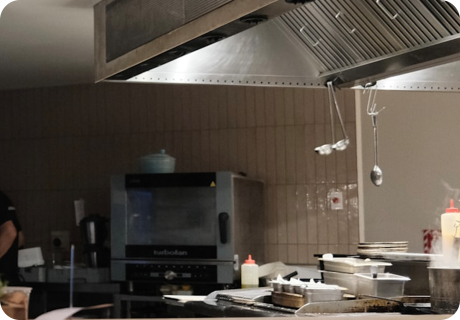
If a restaurant has strong kitchen exhaust but not enough make-up air, the front door may become an unintended air inlet. If a warehouse has doors on opposite facades open at the same time, the entrance may act like a wind path. If a tall building has stack effect, lower entrances may be pulled differently from upper areas. In each case, the air curtain is working inside a larger airflow system.
Symptoms Before Blaming the Unit
Negative pressure can look like product failure. Before blaming the air curtain, check for symptoms:
- Doors are hard to open or slam shut.
- Outdoor air rushes in even when the unit is running.
- The air stream visibly leans inward or sideways.
- Odors, smoke, dust, or insects enter through one side of the opening.
- The problem gets worse when kitchen hoods, exhaust fans, or process ventilation are on.
- The entrance feels better when another door or window is opened.
- Staff raise the fan speed but the doorway still feels unstable.
These symptoms do not prove the building is negative, but they justify a pressure and make-up air review.
Exhaust, Stack Effect, Wind, and Opposing Doors
Exhaust-heavy buildings are common. Commercial kitchens, restrooms, workshops, laboratories, parking areas, and process rooms may remove large volumes of air. If the building does not receive enough supply or make-up air, the missing air will enter through the easiest openings, including commercial entrances.
Stack effect is a vertical pressure pattern caused by temperature differences and building height. It can pull air through lower doors or push air out through upper openings. The result at the entrance may change by season.
Wind exposure creates another force. A doorway facing prevailing wind may need a stronger product family, architectural shielding, or a different entrance strategy. Opposing doors can create a cross-draft or wind-tunnel effect even without classic negative pressure. Do not use one label for all of these problems. Diagnose the airflow path first.
Doorway Checks vs Building-Airflow Checks
Start with the doorway:
| Doorway check | What it tells you |
|---|---|
| Clear width | Whether the air stream covers the opening |
| Discharge height | Whether the model family is in a plausible range |
| Door type | Swinging, sliding, roll-up, or always-open behavior |
| Mounting position | Whether the unit is close enough to the opening |
| Obstructions | Whether signs, sensors, pipes, or soffits deflect air |
| Controls | Whether the unit runs at the right time and speed |
Then check the building:
| Building check | What it tells you |
|---|---|
| Exhaust airflow | Whether air is being removed faster than supplied |
| Make-up air | Whether replacement air is intentional or coming through entrances |
| Open opposite doors | Whether cross-draft is overpowering the stream |
| Wind direction | Whether the facade exposure changes performance |
| Stack symptoms | Whether floors or seasons change pressure behavior |
| HVAC balance | Whether supply, return, and exhaust need adjustment |
The second table is often where the real issue appears.
When a Centrifugal Air Curtain May Help
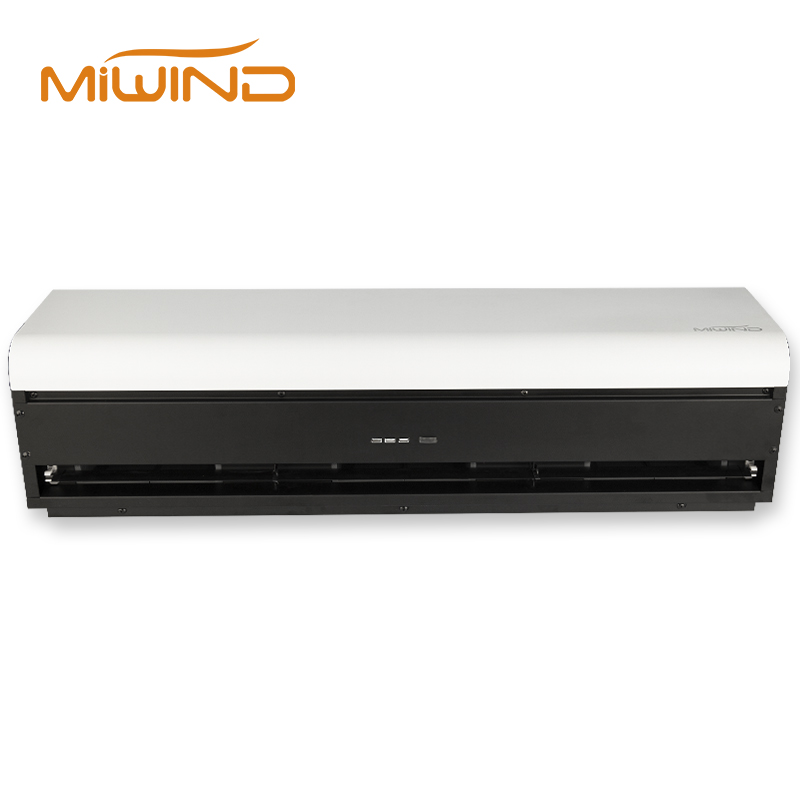
Review the centrifugal air curtain range when a documented model offers suitable projection, coverage and operating conditions for the opening. Compare its actual performance and sound data with other options. A centrifugal impeller alone does not establish pressure resistance or an effective mounting height.
A centrifugal review may help when:
- The entrance is taller than standard storefront height.
- The doorway has frequent traffic and needs stronger projection.
- The opening is close to receiving, kitchen, or industrial exhaust activity.
- There is mild pressure disturbance and the doorway still has a feasible mounting position.
But this is not a cure-all. If the building is strongly negative because make-up air is missing, the correct project action may be HVAC balancing before or alongside air curtain selection.
When Make-Up Air Must Be Reviewed First
If exhaust is the main driver, review make-up air first. OSHA ventilation guidance treats make-up air as a necessary part of exhaust systems because removed air must be replaced. In a commercial entrance, the same principle appears as comfort trouble: the building pulls outdoor air through doors.
Heated air can make the discharge feel warmer, but it does not solve negative pressure. Higher air velocity can resist some disturbance, but it may add noise or discomfort. Better controls can time operation correctly, but they cannot balance missing supply air.
For exhaust-heavy entrances, the buyer should ask both questions:
- Is the doorway air curtain selected correctly for the opening?
- Is the building balanced so the doorway is not acting as make-up air?
Checks Before Replacing an Installed Unit
- Compare the installed width and discharge height with the approved model documents.
- Check intake cleanliness, discharge obstructions, mounting position and controls.
- Record whether drafts change with weather, door use or normal exhaust operation.
- Inspect seals and surrounding gaps that allow air to bypass the opening.
- Have qualified staff compare pressure and airflow under approved operating conditions. Do not disable required ventilation or safety interlocks for an informal test.
Data to Send for Pressure Review
Send MIWIND a combined doorway and building package:
- Clear opening width and height.
- Proposed mounting height and photos of obstructions.
- Door type, open duration, traffic, and controls.
- Air curtain model if already installed.
- Exhaust sources near the entrance: kitchen hood, restroom exhaust, process exhaust, warehouse fans.
- Whether make-up air or supply air exists and where it enters.
- Symptoms: hard-opening doors, drafts, odor paths, smoke/dust entry, insect entry, seasonal changes.
- Opposing doors, open windows, loading docks, stairwells, or elevators that may form a pressure path.
- Wind exposure and facade orientation.
- Whether heated air is required for comfort.
This lets MIWIND discuss the air curtain path while the project team evaluates pressure balance.
MIWIND Product and Solution Path
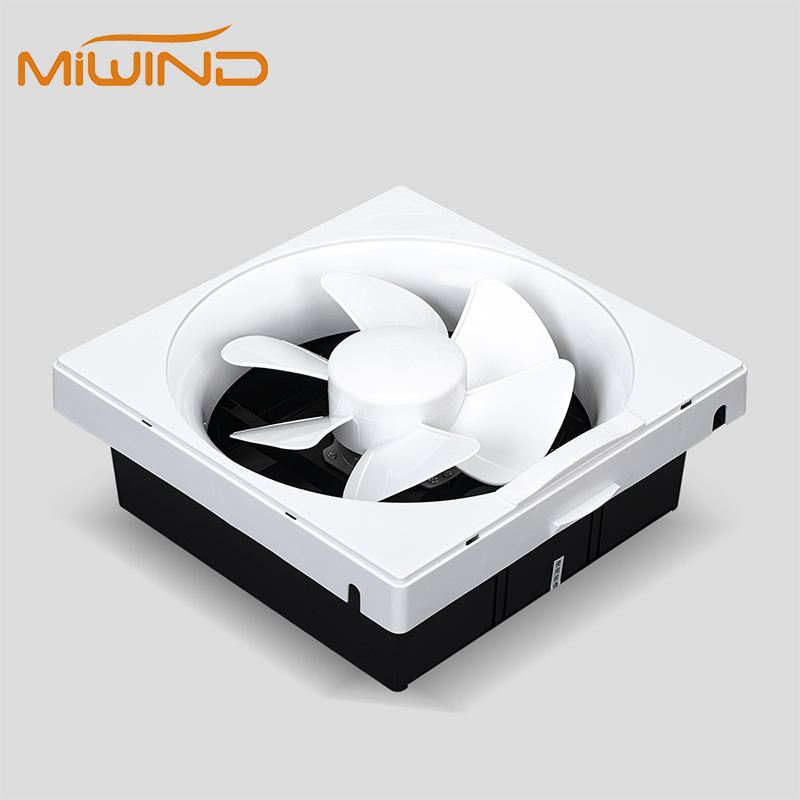
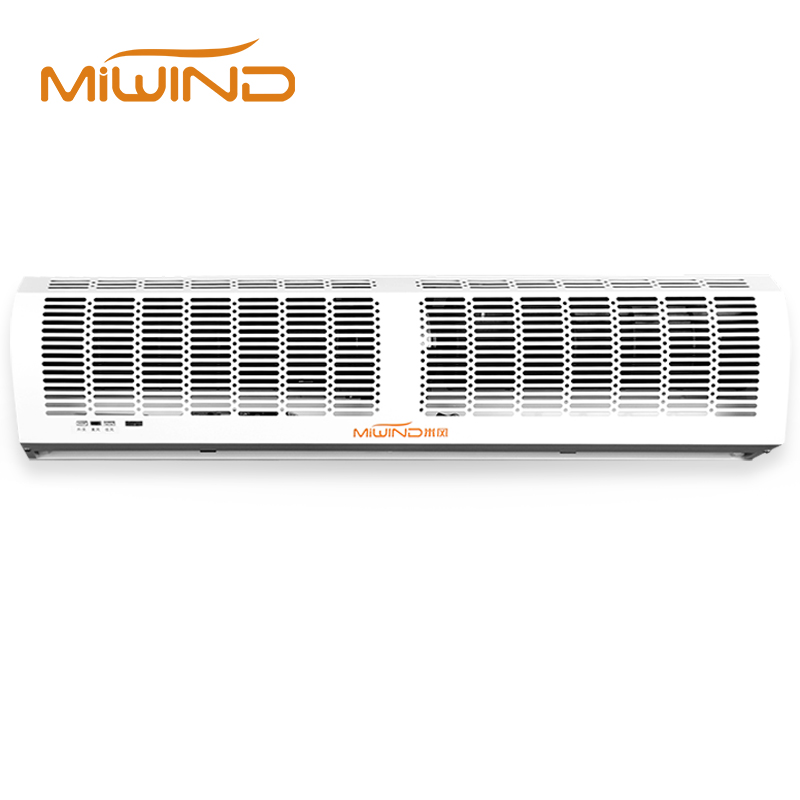
Use centrifugal air curtain products when the entrance needs a stronger airflow review. Use the broader Air Curtain Series when comparing crossflow, centrifugal, heated, and industrial options. If exhaust is part of the problem, also review exhaust fan products and solutions so the inquiry does not isolate the doorway from the building system.
For documentation, use technical resources and downloads. For diagnosis, use the MIWIND contact page and describe the pressure symptoms clearly.
Related Entrance Guides
For mounting-height purpose and velocity interpretation, read Air Curtain Mounting Height Ratings.
For measurement preparation, read How to Measure a Commercial Entrance Before Requesting an Air Curtain Quote.
For code and entrance alternatives, read Air Curtain vs Vestibule for Commercial Entrances.
FAQ
How do I know if a building is negative pressure?
Look for doors that are hard to open, air rushing inward, odors moving from outside, or entrance problems that worsen when exhaust systems run. A project professional may need to measure and balance the building.
Can a larger air curtain solve negative pressure?
Sometimes a stronger air curtain helps a mildly disturbed doorway, but it cannot replace make-up air or HVAC balance when the building is pulling too much air through the entrance.
Why do exhaust fans weaken an entrance air curtain?
Exhaust removes indoor air. If replacement air is not supplied intentionally, the building may pull air through doors, bending or weakening the air curtain stream.
When should make-up air be reviewed?
Review make-up air when the entrance problem appears during kitchen, process, restroom, or workshop exhaust operation, or when doors act like air inlets.
Does heated air fix negative pressure?
No. Heat can improve comfort near the doorway, but it does not change the pressure relationship that pulls air through the opening.
What information should I send MIWIND?
Send doorway dimensions, mounting photos, door behavior, exhaust sources, make-up air notes, wind exposure, pressure symptoms, and whether the unit should prioritize comfort, separation, or diagnosis.
Book Pressure and Entrance Review
Use the MIWIND contact page to request a pressure-aware entrance review. Include doorway data and building airflow symptoms so the recommendation does not stop at product size alone.