Ventilation Supplier Audit Checklist for HVAC Buyers
Audit ventilation suppliers using business identity, production scope, component checks, testing, calibration, inspection records and traceability.

A ventilation supplier audit checks whether the factory can consistently produce and document the products you intend to order. Verify business identity, production ownership, component controls, inspection records, test-equipment calibration and batch traceability. A product photo or factory introduction cannot establish those capabilities.
This article is for distributors, importers, OEM/ODM buyers, sourcing teams, and procurement managers comparing supplier readiness. MIWIND can explain partner cooperation, share company background through About Us, discuss capability, and receive distributor qualification questions through Contact Us.
Supplier qualification should be based on current evidence, not on a general introduction. Buyers should request model-level documents, audit files where available, calibration records where relevant, production and inspection evidence, and their own review process before approving a supplier.
Why Audit Questions Matter
Supplier list vs supplier due diligence
A supplier list can show who sells products. An audit checklist asks whether the supplier can support repeat orders, documentation, quality control, traceability, and after-sales communication. QIMA's factory audit page and HQTS's supplier audit page are useful references because they frame audits around process, capability, and verification rather than price alone.
For HVAC ventilation buyers, the checklist should be product-specific. A factory that can assemble one fan category may not automatically support every motor, voltage, control, certificate, packaging, or export request.
What the buyer should prepare
Before asking audit questions, define the product family: air curtains, duct fans, exhaust fans, fresh air systems, dehumidifiers, or a mixed distributor portfolio. Then define the target market, order scale, documents, private-label needs, and whether the buyer expects standard products or OEM/ODM development.
Use how to write an HVAC ventilation RFQ and OEM vs ODM ventilation products before the audit conversation if the buying path is not clear.
Evidence levels
Treat audit answers in levels. A verbal answer is useful for orientation, but it is weaker than a dated photo, current certificate, calibration record, inspection form, production traveler, packing record, or third-party report. Buyers should ask which evidence can be shared before sample approval, before deposit, before mass production, and before shipment. This keeps supplier review practical: not every file is needed for every inquiry, but important claims should be tied to evidence rather than sales language.
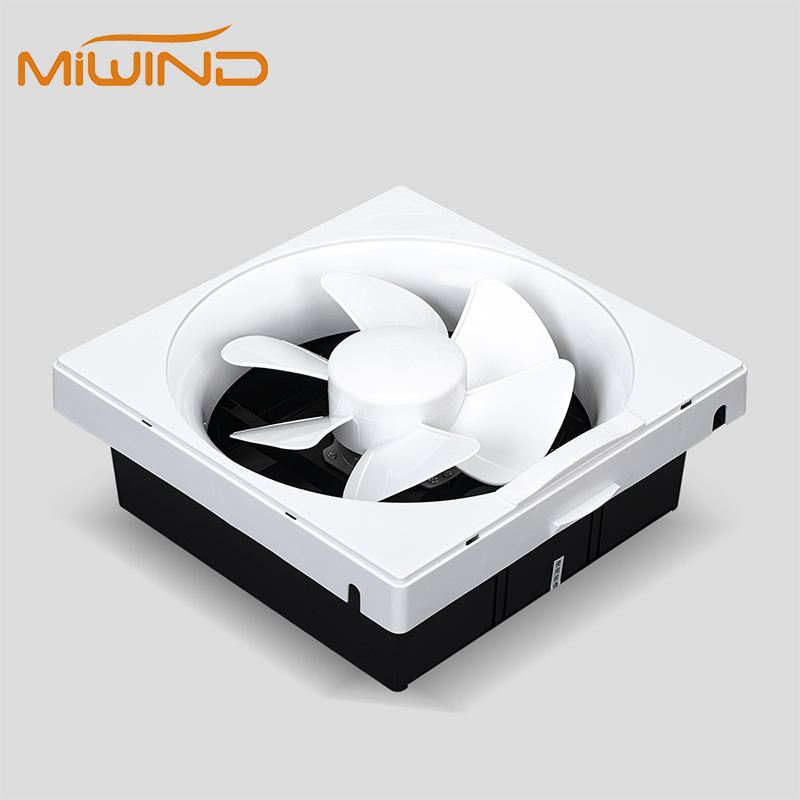
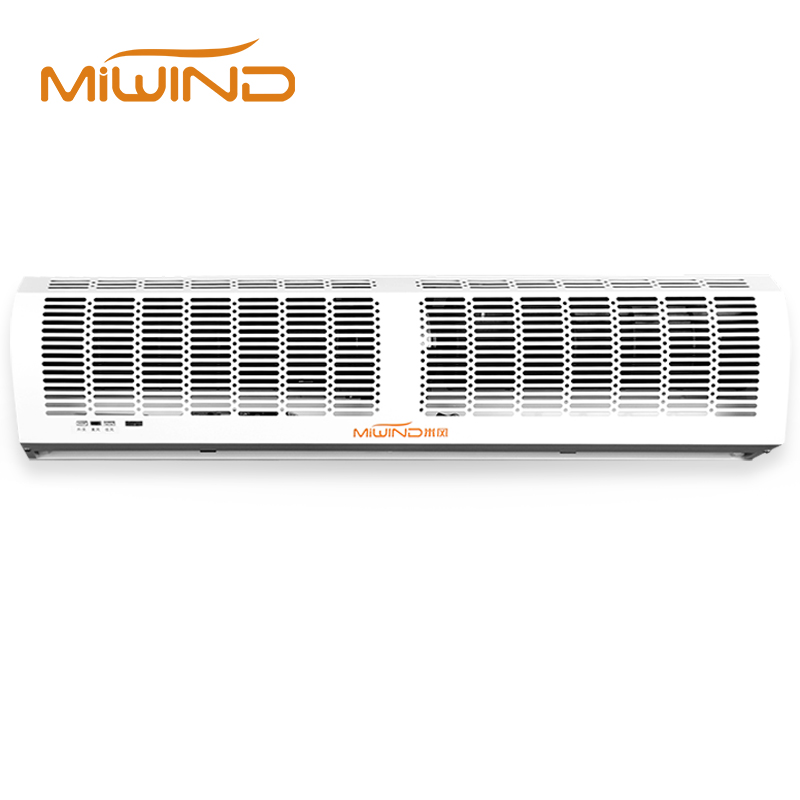
Start with the actual duct fan, exhaust fan or air curtain models in your order. An audit for one product line does not establish capability for another.
Business and Factory Identity
License, location, and ownership basics
Start by asking for the supplier's legal company name, factory address, business license information, export entity if different, years in operation, main product categories, and primary contact ownership. Buyers should verify documents through their own process rather than relying only on screenshots.
The purpose of this step is not to create suspicion. It is to make sure the quote, invoice, packing list, certificate files, and production contact all refer to the same business relationship.
Product scope and production lines
Ask which product families are produced in-house, which processes are outsourced, and which models are trading items or partner-sourced items. For ventilation products, this can affect motor sourcing, plastic or metal casing, wiring, control boards, labels, packaging, and spare parts.
A useful China ventilation supplier audit checklist should make product scope explicit so the buyer does not assume every catalog model has the same production ownership.
Quality System And Inspection Points
Incoming material and component checks
Ask how motors, blades, housings, heaters, control boards, wiring, fasteners, cartons, and labels are checked before assembly. Incoming checks can include supplier approval, sample confirmation, inspection records, and nonconforming-material handling.
In-process and final inspection
QIMA's product inspection page is useful because it separates product inspection from broader factory audit. For HVAC buyers, final inspection questions may include appearance, dimensions, voltage, airflow or function checks where applicable, label accuracy, carton condition, accessories, manuals, and packing quantity.

Testing equipment and calibration
Ask what test equipment is used for airflow, electrical safety, noise, power, current, insulation, leakage, heating, or function tests, and how calibration is managed. Do not assume a test photo proves calibration status. Ask for current records if they matter to the order.
Documentation And Traceability
Model-level document control
Document questions should be tied to model numbers. Ask for datasheets, manuals, wiring diagrams, declarations, certificates, test reports, labels, and packaging files. Then confirm whether the quoted model is covered by the document or only similar to a covered model.
Use ventilation product spec sheet checklist and certification document questions for deeper document review.
Traceability and after-sales ownership
Ask how the supplier links production date, batch, motor lot, label version, carton version, and inspection records. Also ask who handles technical questions, installation issues, spare parts, warranty questions, and escalation.
For distributor programs, traceability is especially important when several models ship together. A complaint about one carton, motor, label, or manual should be traceable to the affected model and production batch instead of forcing the buyer to review the entire shipment.
MIWIND Supplier Qualification Discussion Checklist
Send or ask about:
- Legal company name, factory address, export entity, and main contacts.
- Product families produced in-house and outsourced processes.
- Production-line overview for the quoted category.
- Incoming material checks and supplier-control process.
- In-process checks, final inspection, and packing inspection.
- Test equipment, calibration records, and test scope.
- Model-level datasheets, manuals, labels, certificates, and declarations.
- Traceability records, batch control, spare parts, and after-sales contact ownership.
- Photos, audit reports if available, sample plan, target market, quantity, and timeline.
FAQ
What is a China ventilation supplier audit checklist?
It is a due-diligence checklist that helps HVAC buyers review supplier identity, production capability, quality controls, testing, documents, inspection, traceability, and export readiness.
Does a supplier audit guarantee product quality?
No. An audit can improve visibility, but it does not guarantee product performance, shipment quality, certificate coverage, or future production results.
Should buyers ask for test equipment photos?
Photos can help, but buyers should also ask what the equipment tests, which models it covers, whether records exist, and how calibration is handled.
Can MIWIND provide third-party audit proof from this article?
No. Audit reports, certification claims, and supplier qualification evidence must be requested and reviewed as current project documents.
Next Step: Discuss Distributor Qualification
Use discuss distributor qualification after preparing the checklist. A clear China ventilation supplier audit checklist helps keep the discussion evidence-based instead of relying on supplier claims alone.