How to Choose an Air Curtain for a Grocery Store Entrance
Choose a grocery entrance air curtain using doorway photos, cart traffic, automatic-door behavior, checkout comfort, wind, sound and mounting conditions.
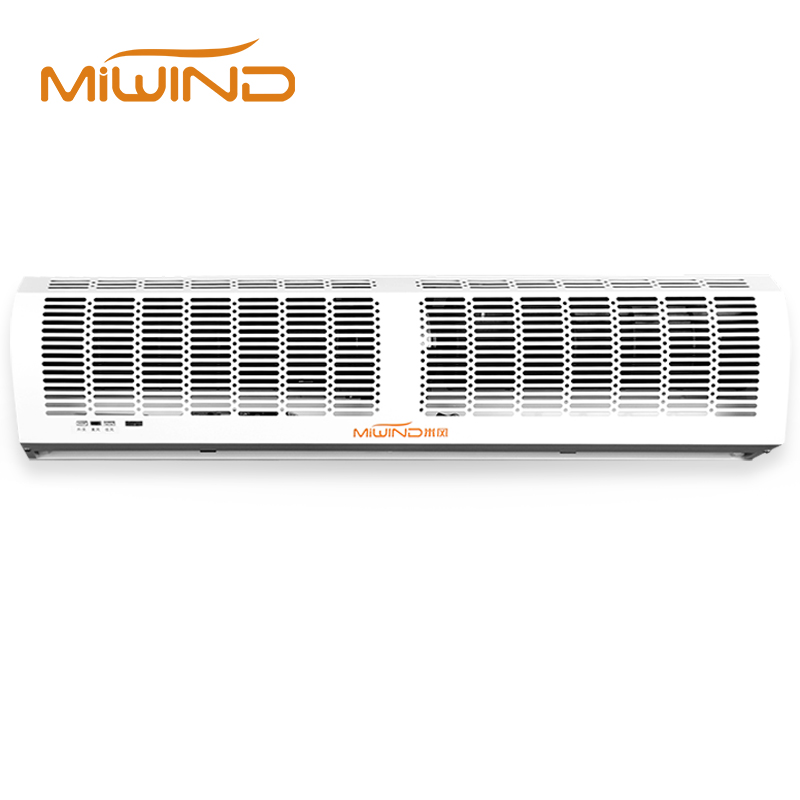
A grocery store entrance air curtain has to deal with more than a door opening. Shoppers move carts through the threshold, automatic doors cycle often, cold or humid air can reach the checkout area, refrigerated displays may sit nearby, and the unit is visible in a public space. The right selection process starts with the entrance, not with a model name.
This guide is for grocery owners, supermarket facility teams, HVAC contractors, chain operations managers, and distributors preparing a quote request. It focuses specifically on the customer-facing entrance and the site data MIWIND needs before reviewing retail and commercial building solutions, air curtain products, and the commercial air curtain series.
Review customer entrances separately from receiving docks and internal cooler doors. Cart traffic, checkout staff, automatic-door settings and nearby refrigerated displays create different selection conditions at the front of the store.
Start With a Photo-Based Entrance Audit
Photos reveal issues that measurements alone miss. A clean quote package should show the entrance from the outside, the inside, the side, and the ceiling or header area. Include the automatic door track, vestibule, signage, lighting, sprinklers, cameras, ceiling panels, and any obstructions above the opening.
The right quote process is practical: collect site evidence first, then ask for product review. Door size, traffic, climate, automatic-door behavior, mounting space, power, and customer comfort all affect whether a model will fit the entrance.
Automatic doors, vestibules, and cart flow
Grocery entrances often use sliding or automatic doors. The air curtain review should describe how the doors actually behave:
- Do the doors open every time a cart approaches?
- Is there a vestibule, double door, or single exterior door?
- Does the entrance stay open during peak arrival periods?
- Are carts stored near the threshold?
- Do customers stop in the doorway while entering or leaving?
- Is there a drafts complaint at the first checkout lane?
For more detail on sensor and door behavior, use air curtains for automatic sliding doors. For basic measuring, use how to measure a commercial entrance for an air curtain quote.
Door width, height, mounting, and power
The RFQ should include clear width, clear height, available mounting height, ceiling depth, side clearance, power supply, and whether the buyer expects door-linked or continuous operation. If the entrance has a recessed ceiling, signboard, canopy, or glass facade, include close-up photos.
Use current MIWIND product documents for mounting-height limits, controls integration, model coverage, and electrical details. If the project has a nonstandard entrance, send photos and dimensions before treating a catalog model as a fit.
Customer Comfort Near the Entrance
A grocery entrance sits in a busy customer zone. A doorway unit that is acceptable at a warehouse receiving door may feel intrusive above a front entrance. Airflow, sound, appearance, and control behavior all affect the store experience.
For grocery entrances, start by defining the doorway condition, then compare MIWIND air curtain options after measurements, photos, and comfort symptoms are clear. The retail and commercial building solution helps frame the store environment, while the Air Curtain Series supports model-family review once the entrance evidence is ready.
Checkout lanes and draft complaints
Checkout lanes near the entrance are a useful symptom map. Ask where staff feel cold drafts, warm air, humidity, dust, or outdoor odor. A complaint at the cash desk may come from the entrance, but it may also involve vestibule layout, wind, pressure, HVAC supply location, or doors staying open.
Document:
| Observation | Why it matters |
|---|---|
| Checkout distance from door | Staff comfort may drive sound and airflow expectations. |
| Customer waiting pattern | People may pause inside the air stream. |
| Cart movement | Carts can trigger automatic doors and extend open time. |
| Outdoor exposure | Wind, rain, humidity, and temperature swings affect doorway behavior. |
| Ceiling/header space | Installation may be limited by architecture or utilities. |
If sound is a key front-of-house concern, review quiet air curtain selection for retail entrances before choosing a model family.
Refrigerated Zones Near the Entrance
Some grocery stores place open refrigerated cases, floral coolers, produce displays, or prepared-food zones near the entrance. That does not make the entrance an internal walk-in cooler door, but it changes the audit.
A grocery store entrance should be considered with nearby zones, not isolated from the store layout. Refrigerated cases, produce displays, floral areas, customer-service desks, checkout lanes, and pickup shelves can all change comfort complaints and airflow expectations.
If the problem is a back-of-house cooler door rather than the public entrance, use walk-in cooler air curtains vs strip curtains. If the problem is receiving, use supermarket loading dock air curtains.
Wind, Weather, and Door Controls
Climate and exposure change the entrance. A store on a windy corner lot behaves differently from one inside a protected shopping center. A humid coastal entrance may show condensation symptoms. A cold-climate entrance may have comfort complaints during winter rush periods. A shaded entrance may behave differently from a glass facade in direct sun.
An entrance air curtain should not be treated as the store's heating or ventilation system. It is a doorway airflow layer that needs to be reviewed with HVAC, vestibule layout, traffic, weather exposure, and controls.
Grocery Store Entrance Air Curtain Selection Checklist
Send entrance photos and measurements through Contact Us before requesting a model recommendation.
| RFQ field | Recommended detail |
|---|---|
| Entrance dimensions | Clear width, clear height, mounting height, and ceiling/header photos. |
| Door type | Automatic sliding, swing, revolving, double door, vestibule, or open entry. |
| Traffic | Peak hours, cart flow, customer queue behavior, and delivery or pickup timing conflicts. |
| Comfort symptoms | Drafts, humidity, dust, insects, odor, or temperature complaints near checkout. |
| Store layout | Checkout lanes, refrigerated cases, produce area, customer service desk, and cart storage. |
| Outdoor exposure | Wind, rain, humidity, sun, canopy, corner lot, or protected mall corridor. |
| Controls | Door switch, speed adjustment expectation, timer, continuous operation review, or unknown. |
| Electrical | Voltage, wiring route, available service access, and installer notes. |
| Product files | Catalogs, data sheets, and model-family documents. |
| Project files | Installation references, certificate requests, photos, drawings, and owner requirements. |
After collecting the entrance package, use air curtain technical resources and MIWIND downloads to support the specification discussion.
Recommended MIWIND Routes for the Next Step
Start with the application, then move into products:
- Use retail and supermarket entrance solutions to frame the grocery environment.
- Use commercial air curtain products to introduce the doorway airflow category.
- Use the commercial air curtain series when measurements and installation details are available.
- Use technical resources and downloads when the project needs files for an owner, installer, distributor, or contractor.
- Use Contact Us when photos, measurements, and symptoms are ready for review.
This path keeps the quote grounded in the entrance evidence before the buyer asks for model-specific limits, standards, building-code acceptance, or controls integration.
FAQ
What photos are needed before quoting a grocery entrance air curtain?
Send exterior and interior views, side views, ceiling/header close-ups, automatic door hardware, vestibule layout, checkout proximity, cart storage, and any obstructions above the doorway.
Does a vestibule change air curtain selection?
Yes. A vestibule changes door sequence, open time, airflow path, and comfort expectations. Share the full layout before asking for a product recommendation.
How do shopping carts affect entrance airflow planning?
Carts can trigger automatic doors frequently, slow people at the threshold, and extend open time. That affects controls, airflow comfort, and duty-cycle expectations.
What if refrigerated cases are near the entrance?
Map the distance from the doorway and describe any temperature or humidity complaints. The entrance air curtain should be reviewed with store layout and HVAC context, not treated as a refrigeration fix.
Can one model fit all grocery entrances?
No. A protected mall entrance, windy street entrance, vestibule entrance, and checkout-near-door entrance can require different review because height, width, door behavior, weather exposure, sound tolerance, and controls are different.
Next Step
Send entrance photos through Contact Us. Include dimensions, automatic door behavior, cart flow, vestibule layout, checkout comfort complaints, refrigerated zones, weather exposure, noise expectations, controls, power, and document needs so MIWIND can review the right grocery entrance path.