Cold Storage Door Air Curtains: Moisture and Air Exchange
Review cold-storage doorway air curtains alongside door cycles, seals, pressure, adjacent humidity and refrigeration when fog, frost or ice appears.
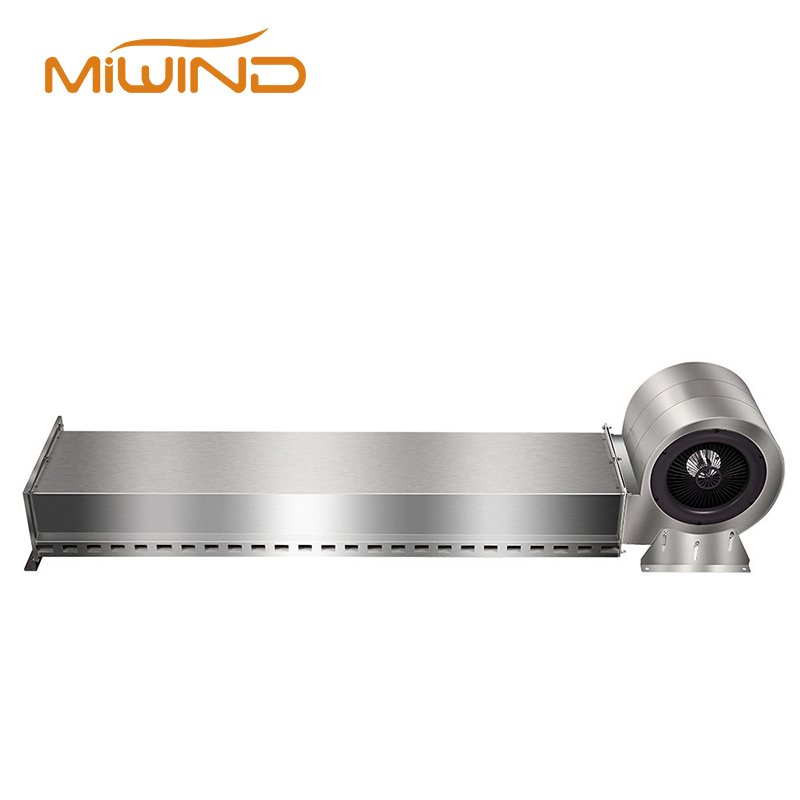
A cold storage door air curtain inquiry usually starts with symptoms: fog at the freezer opening, frost on surfaces, ice near the threshold, wet packaging, or slippery floor complaints. Those symptoms are not just comfort issues. They can affect workflow, maintenance, safety, refrigeration stability, and product-handling discipline.
An air curtain can reduce incoming humid air when its airflow and installation suit the opening. It does not actively remove water vapor or repair seals, insulation, drainage or refrigeration faults. Keep door operation, adjacent-space humidity and refrigeration conditions in the review.
Why Freezer Openings Create Fog, Frost, and Ice
Cold-storage doorways are moisture-transfer points. When warm humid air reaches a freezer or cooler opening, moisture can condense or freeze as the air cools. The result may appear as fog, frost buildup, ice on floors, wet curtains, frosted door frames, or coil and ceiling problems near the opening.
AMCA's cold-storage air curtain article is useful because it frames cold-room openings around vapor pressure, moisture movement, and the difficulty of separating warm and cold spaces during traffic. The exact equipment recommendation still needs project data, but the physics behind the symptom is clear: warm moist air and cold surfaces create risk.
The problem often gets worse when:
- The freezer door is open for long periods.
- Forklift or cart traffic is frequent.
- A high-speed door is disabled or slow.
- Strip curtains are damaged or pushed aside.
- Adjacent areas are humid.
- The building has negative pressure.
- Drainage or floor heating does not keep up with ice risk.
- Staff keep the door open for convenience during rush periods.
That is why cold-storage doorway planning should start with the visible operating problem, not a generic "keep cold air out" brief.
What a Cold Storage Door Air Curtain Is Expected to Do
A freezer or cooler doorway air curtain is expected to reduce air exchange while the opening is active. The aim may be to reduce warm moist air entering the cold zone, reduce cold-air spill into the adjacent space, help stabilize the transition zone, and support better workflow than a physical barrier alone.
Powered Aire's cold-storage product page and cold-storage application page both show that cold rooms and freezer openings are treated as a specialized air curtain use case. Airtècnics KOOL also frames cold-room air curtains as a specific application, not a normal storefront selection.
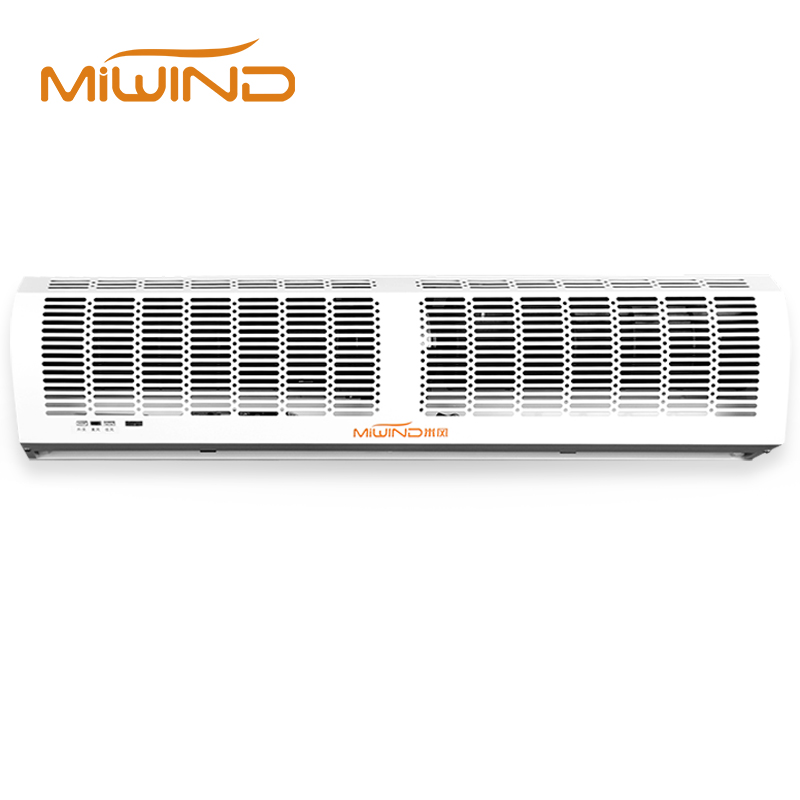
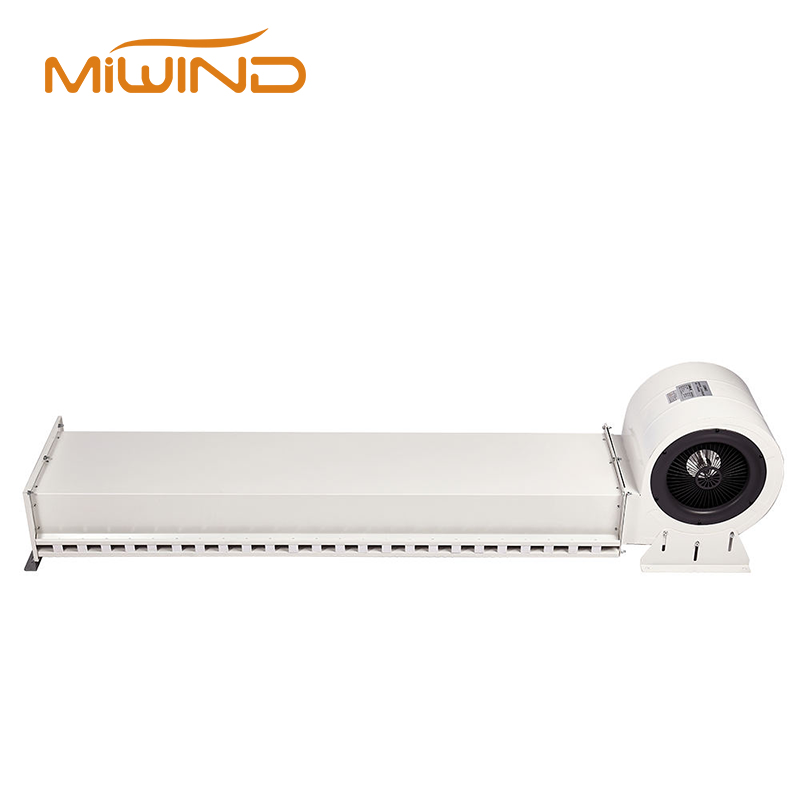
For MIWIND buyers, the next step is a project review through the Air Curtain Series. Temperature range, doorway height, certification, and model-limit questions should be answered from MIWIND's current product documents.
What an Air Curtain Cannot Solve Alone
Cold-storage projects need careful expectation setting.
An air curtain can help:
- Reduce warm air and moisture exchange during opening periods.
- Support temperature separation during active traffic.
- Keep workflow open for people, carts, or forklifts.
- Work alongside door switches, timers, or other controls.
- Reduce the burden created by repeated door cycles.
An air curtain cannot:
- Dehumidify the warehouse or freezer.
- Lower the dew point of the adjacent room.
- Seal the opening or remove the need for a physical door where the project requires one.
- Repair damaged strip curtains, seals, or insulation.
- Replace refrigeration capacity review.
- Remove all fog, frost, ice, condensation, or slip risk.
This boundary protects the buyer. If frost appears because a freezer door is held open for long periods, an air curtain may help, but the operation still needs door discipline. If fog appears because the adjacent room is humid all day, Industrial Dehumidifier support may be part of the discussion. If ice appears because drainage or floor heating is insufficient, the facility team must review those systems too.
Troubleshooting Before Product Selection
Before asking for a quotation, identify the dominant symptom.
| Symptom | What to investigate |
|---|---|
| Fog at opening | Warm humid air movement, door open time, pressure difference. |
| Frost on frame or ceiling | Cold surfaces, air leakage, moisture migration, insulation details. |
| Ice on floor | Condensation, drainage, floor heating, safety routines, traffic path. |
| Wet packaging | Moisture exchange, staging time, adjacent-room humidity. |
| Cold spill into work area | Door cycle, opening height, pressure, product direction. |
| Frequent product temperature concerns | Door discipline, refrigeration recovery, staging workflow. |
Use the language of the problem in the RFQ. "Freezer fog at 4 pm when receiving is active" is more useful than "need cold storage air curtain." "Ice forms at the left side of the threshold after night loading" is better than "door is cold."
Mars Air's cold-storage article is useful background for thinking about temperature fluctuation and freezer air curtain use. MIWIND performance expectations should still come from project data and current product documents.
Door Discipline, Fast Doors, and Pressure
Cold rooms are unforgiving because the temperature difference can be high and moisture consequences are visible. A good review should ask how the door behaves:
- Does the door close automatically?
- Is a high-speed door already installed?
- Is the door sometimes disabled or left open?
- Do forklifts queue at the opening?
- Do staff stage pallets at the threshold?
- Are strip curtains present, damaged, or removed?
- Does air rush inward or outward when the door opens?
- Is there a vestibule or buffer area?
The answers may change the product conversation. A high-speed door can reduce open time, but air exchange still happens during active openings. Strip curtains can reduce exchange, but may become inconvenient for carts or forklift visibility. An air curtain can keep the opening physically clear, but it still has to be sized and controlled for the actual doorway.
For related industrial opening planning, see Warehouse Dock Door Air Curtains. For broader dock-system decisions, see Loading Dock Energy Loss Solutions Compared.
When Dehumidification or HVAC Review Is Needed
If the adjacent room stays humid, the freezer doorway may keep receiving moisture even with better door behavior. That is when the conversation should expand from the doorway to the room.
MIWIND's Industrial Dehumidifier and Industrial Dehumidifier Series paths can support humidity-control inquiries for warehouses, storage rooms, and industrial spaces. Treat dehumidification as a complementary moisture-control path, not as a replacement for the air curtain or refrigeration system.
The key question is: where is the moisture coming from?
| Moisture source | Likely review path |
|---|---|
| Door opens for long loading periods | Air curtain, door control, workflow discipline. |
| Adjacent room is persistently humid | Dehumidification, HVAC, ventilation, sealing. |
| Frost appears at specific surface points | Surface temperature, leakage, insulation, airflow path. |
| Ice forms on floor | Condensation, drainage, floor heat, safety procedures. |
| Pressure pulls air through opening | Ventilation balance and exhaust/make-up air review. |
This keeps the buyer from expecting one product to carry the whole cold-chain doorway strategy.
MIWIND Inquiry Data for Freezer and Cooler Doors
Use Contact Us or the inquiry modal to send freezer door dimensions. Include:
- Freezer or cooler door width and height.
- Available mounting height and side clearance.
- Freezer setpoint and adjacent-room temperature.
- Adjacent-room RH or dew point if available.
- Door type and whether a fast door is installed.
- Opening frequency and held-open periods.
- Forklift, pallet, cart, or pedestrian traffic.
- Fog, frost, ice, or condensation locations.
- Photos of the threshold, frame, ceiling, floor, and adjacent area.
- Existing dehumidification, HVAC, drainage, and safety concerns.
- Voltage, control preference, and required documentation.
If the opening is part of a larger warehouse dock, include the dock schedule as well. A freezer opening near a receiving bay may be affected by truck loading, exterior doors, and pressure conditions outside the cold room.
FAQ
Why does fog form at freezer openings?
Fog can form when warm humid air mixes with cold air near the freezer opening. The moisture condenses into visible droplets as the air cools. Door-open time, adjacent-room humidity, pressure, and traffic can all increase the symptom.
Can an air curtain stop frost by itself?
It should not be treated as a stand-alone frost solution. An air curtain can help reduce moisture exchange, but frost risk may also involve door discipline, damaged seals, adjacent-room humidity, cold surfaces, refrigeration recovery, drainage, and maintenance routines.
Should a cold storage air curtain work with a high-speed door?
Often, yes. A high-speed door reduces open time, while an air curtain can help during the moments when traffic is passing through. The right combination depends on door cycle, traffic, temperature difference, and moisture symptoms.
When is an industrial dehumidifier needed?
If the adjacent room or warehouse remains humid even when the freezer door is closed, dehumidification may need review. An air curtain controls the opening; a dehumidifier addresses moisture load in the space.
Next Step
Send freezer door dimensions through Contact Us. Include temperature, RH or dew point, door behavior, fog/frost/ice photos, fast-door status, and traffic notes so MIWIND can review both airflow separation and moisture-control paths.