Drive-Thru Window Air Curtains: Fit, Controls and Comfort
Review drive-thru window air curtains by opening size, staff position, vehicle exposure, noise, mounting, controls and model-specific food-service documents.
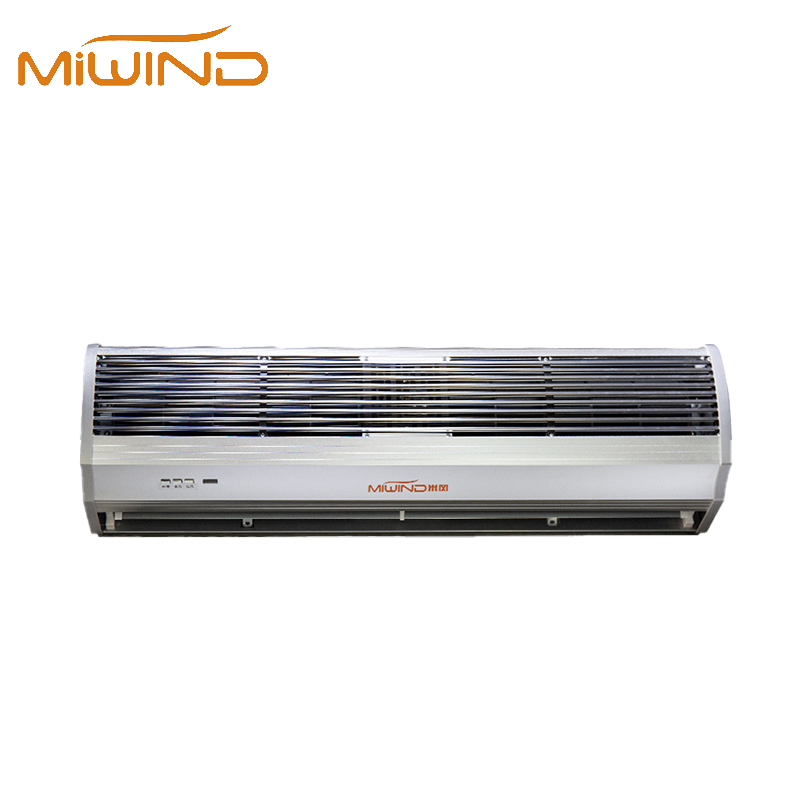
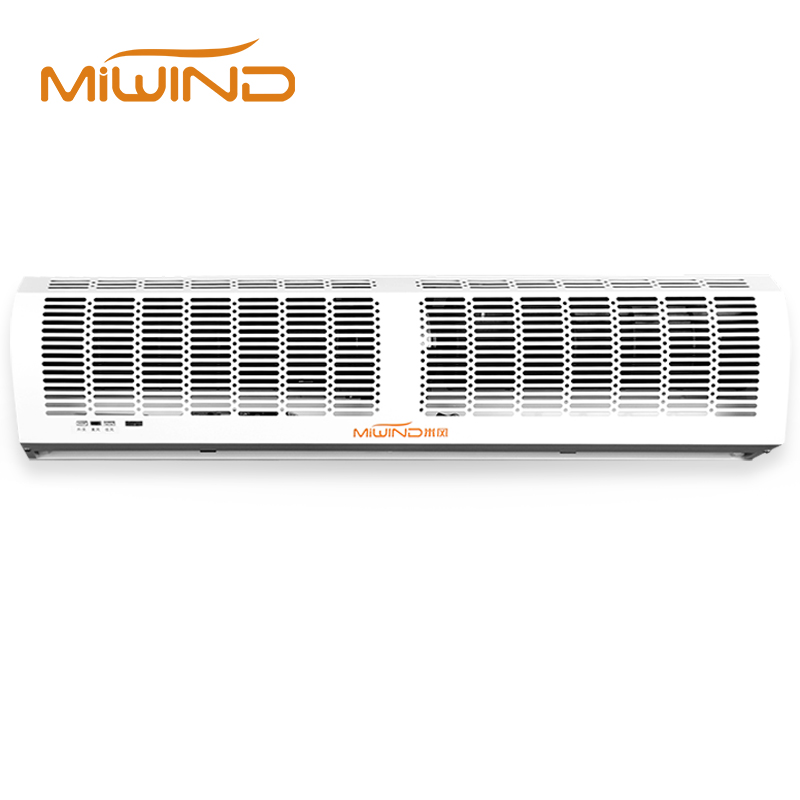
Review a drive-thru window air curtain around the occupied service station. Measure the opening and mounting space, record window cycles and staff position, and identify vehicle exhaust, noise and local food-service requirements before selecting a model. A standard doorway unit may not fit the available space or required listing.
MIWIND can review the opening through the air curtain overview, cross-flow air curtain options, the MIWIND air curtain series, retail and commercial building solutions, food service applications, technical resources, and the air curtain catalog.
If the project requires a drive-thru-specific model, window coverage data, special mounting-height evidence, window air velocity, noise data, voltage confirmation, NSF/ANSI 37 listing, UL/ETL/EPH listing, or QSR-specific approval, request those exact model documents before quotation approval.
When a Drive-Thru Window Air Curtain Makes Sense
QSR windows create several recurring problems:
- The window opens many times per hour.
- Employees work directly beside the opening.
- Vehicle exhaust and outdoor odors may enter the service area.
- Flying insects are attracted by food odors and warm air.
- The window may be near kitchen exhaust pressure paths.
- Staff comfort matters because the station is occupied.
- Noise and turbulence can affect customer interaction.
- Local health or chain standards may require documentation.
Drive-thru and pass-through windows should be reviewed as their own application because the air curtain sits close to employees and customer interaction. The buyer should confirm window size, operating cycle, mounting location, staff comfort, vehicle exposure, and document requirements before comparing product paths.
RFQ Inputs to Collect Before Asking for a Recommendation
Opening Width/Height, Mounting Clearance, Power, Noise Sensitivity, Duty Cycle
Collect the window as a working station:
| RFQ field | What to send |
|---|---|
| Window size | Clear opening width and height, plus frame dimensions. |
| Mounting area | Header, transom, ceiling, side clearance, signboards, and obstructions. |
| Staff position | Counter height, standing location, reach path, and face-level comfort concerns. |
| Duty cycle | Window openings per hour, peak periods, and hours per day. |
| Controls | Window switch, relay, manual switch, timer, or continuous operation preference. |
| Power | Available voltage, phase, circuit limits, and electrician notes. |
| Noise | Customer-facing noise tolerance and staff comfort expectations. |
| Heat | Whether heated discharge is requested for winter comfort. |
| Documents | Local health, chain, franchise, consultant, or landlord requirements. |
For a useful MIWIND inquiry, include whether the unit should run continuously, operate from a window switch, use delayed shutoff, or follow a manual control routine. Controls affect comfort, duty cycle, wiring, and staff acceptance.
Fumes, Flies, and Worker Comfort Expectations
Drive-thru windows face both outdoor air and vehicle activity. A doorway air stream may reduce outdoor air, insects, and some fume infiltration at the opening, but it cannot replace ventilation, exhaust management, or carbon monoxide safety controls.
What Air Curtains May Reduce vs What Ventilation Must Handle
| Concern | Air curtain role | Still required |
|---|---|---|
| Flying insects | May reduce entry through the active window opening. | Sanitation, lighting, seals, pest monitoring, local requirements. |
| Outdoor air | May reduce direct exchange while the window is open. | HVAC balance, window discipline, weather review. |
| Vehicle fumes | May reduce inward infiltration at the window. | Ventilation, vehicle policy, CO monitoring where required, safety procedures. |
| Worker comfort | May reduce drafts or support heated discharge if confirmed. | Station layout, HVAC, noise, and controls. |
| Energy loss | May reduce open-window exchange in some sites. | Actual operating data and no unsupported savings claims. |
Carbon monoxide and vehicle exhaust require ventilation and safety review. Do not treat an air curtain as a CO control system. If the buyer mentions vehicle exhaust exposure, include ventilation, monitoring, operating policy, and safety requirements in the project review.
Fit Questions for MIWIND Air Curtain Options
MIWIND's cross-flow air curtain options are relevant for storefronts, service counters, standard doors, and daily entrance airflow control. For a drive-thru window, treat cross-flow as a review path after dimensions, mounting photos, staff position, controls, and documentation needs are known.
Drive-Thru Window Fit Questions
Before MIWIND recommends any product path, answer:
- Is the opening closer to a small service window, a walk-up window, or a full door?
- Can a unit cover the clear opening width without interfering with the window?
- Is there safe mounting space above or near the window?
- Will the air stream blow across the opening without hitting staff directly?
- Can the window switch or relay operate the unit safely?
- Is heating required, and is power available?
- Are local health documents or specific listing records required?
- Does kitchen exhaust create negative pressure near the window?
For certification-driven foodservice checks, see NSF 37 foodservice air curtain checks.
Documents to Request Before Approval
Ask for:
- Product catalog and model data.
- Dimensions and mounting notes.
- Wiring or control options if available.
- Noise information if available.
- Available MIWIND certificates for the quoted model.
- Maintenance and cleaning guidance.
- Photos or drawings showing installation fit.
- Written confirmation of whether foodservice, NSF, UL/ETL/EPH, or local approval documents are available for the quoted model.
Approval packages are easier to review when the buyer separates confirmed product data from open questions. A distributor or chain buyer may need one folder for MIWIND catalog files and another for local reviewer questions. If a specific window listing, sanitation listing, or electrical file is required, confirm availability before a sample or bulk order is discussed.
Use download MIWIND catalogs and specifications, the air curtain catalog, and technical resources after the opening package is clear.
Related QSR and Foodservice Resources
For multi-opening restaurant planning, start with food service applications. For retail-style service counters or commercial entries, use retail and commercial building solutions. For uncertain project requirements, use Contact Us and ask for drive-thru window sizing review.
FAQ
Do QSR drive-thru windows need air curtains?
It depends on opening use, local rules, flying-insect pressure, vehicle fumes, staff comfort goals, and chain standards. Some windows may need a dedicated window solution; others may need ventilation or process changes first.
Can MIWIND recommend a drive-thru-specific model?
Only after RFQ review. Send the window dimensions, mounting photos, controls needs, power details, and approval requirements so MIWIND can confirm whether a current air curtain path fits the project.
Do air curtains block vehicle exhaust?
They may reduce fume infiltration through the opening, but they cannot promise fume control or replace ventilation, carbon monoxide safety measures, or workplace safety review.
What specs should be sent before requesting a quote?
Send window width and height, mounting photos, counter and staff position, open frequency, power, noise limits, heat requirement, vehicle exposure, kitchen exhaust context, and required approval documents.
Next Step
Use Contact Us to request drive-thru window sizing review. Send photos, opening dimensions, power information, operating schedule, fume or insect symptoms, noise expectations, and document requirements so MIWIND can confirm whether its current air curtain paths fit the project.