Heated vs. Unheated Air Curtains for Loading Docks
Compare heated and ambient air curtains for loading docks using doorway conditions, worker comfort, available utilities and confirmed model options.
For a winter loading dock, decide whether the air curtain's main role is doorway separation, added comfort near the opening, or both. First confirm the opening, mounting position, door schedule and pressure conditions. Then compare ambient and heated models using the available utilities and the exact product documentation.
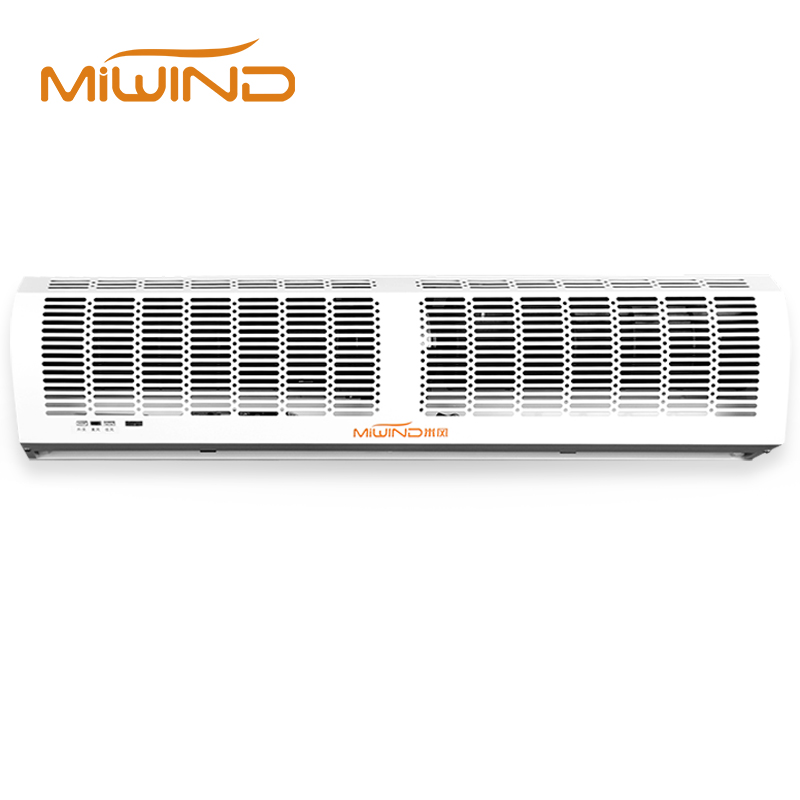
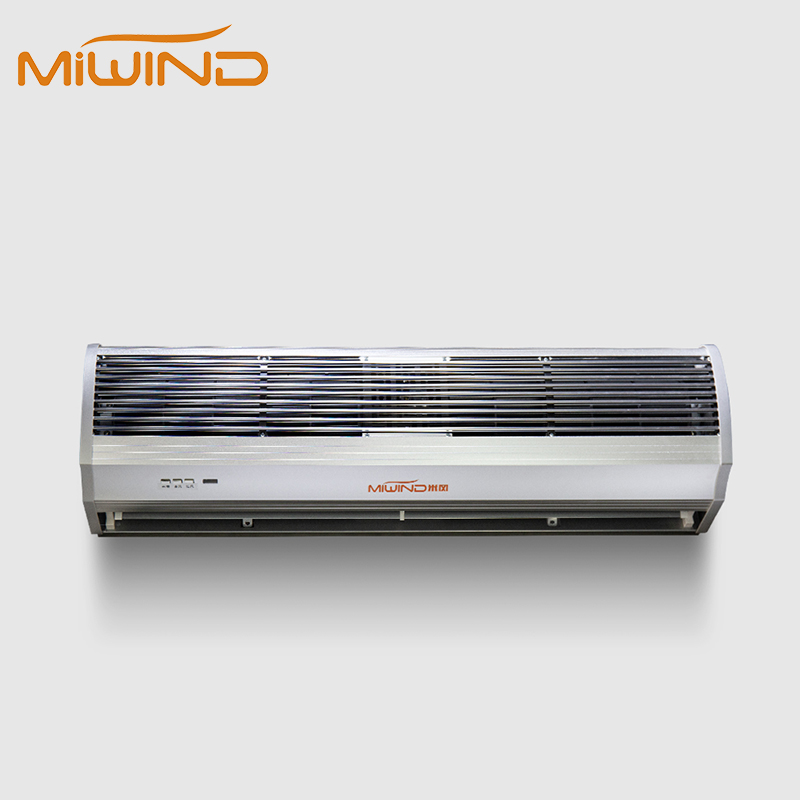
MIWIND heated and ambient air curtain options should be compared only after the doorway airflow need is clear. Heating can temper the discharge air for winter dock comfort, but the air barrier still depends on coverage, mounting, pressure, controls, and door behavior. A heated air curtain is not the main building heating system, and heat alone does not make a poor air stream perform well.
For product review, start with the Air Curtain Series. Use Heated Air Curtain when the project clearly includes winter comfort or tempered discharge air. For dock context, link the discussion to Industrial Series solutions and Loading Dock Energy Loss Solutions Compared.
Confirm the Airflow Barrier First
Before deciding heated or ambient, confirm that an air curtain is the right doorway layer.
Ask:
- Is the opening active during loading?
- Does forklift or pallet traffic prevent a physical barrier from staying closed?
- Is the door size appropriate for air-curtain review?
- Is the mounting height and discharge path clear?
- Are wind and pressure pulling the air stream off target?
- Does the dock have a door switch, timer, or control opportunity?
- Is the main goal air separation, worker comfort, or both?
Opening dimensions, mounting height, traffic, wind and building pressure help determine whether an air curtain fits the doorway. Heating is a separate comfort and utility decision; it does not correct poor coverage or an unstable air stream.
For dock-door traffic and opening conditions, also review warehouse dock door air curtains.
What Ambient Air Curtains Do
An ambient, or unheated, air curtain uses unheated air to create the doorway barrier. In many warehouse projects, this is enough when the main goal is reducing air movement, dust, insects, or outdoor drafts at an open door.
Ambient units may be reviewed when:
| Condition | Why ambient may be enough |
|---|---|
| The warehouse already has adequate heating | The air curtain is mainly separating air, not supplying heat. |
| Staff do not stand near the door for long periods | Comfort tempering is less important. |
| The door is mostly open for equipment movement | A clear, stable air stream may matter more than heated discharge. |
| Electrical capacity is limited | Adding heat may require more power review. |
| The project goal is dust or outdoor air reduction | Heating may not address the primary problem. |
Ambient does not mean low value. It simply means the air stream is not being heated. If the facility already has a strong HVAC system and wants doorway separation, ambient may be the practical starting point.
What Heated Air Curtains Add
A heated air curtain adds tempered discharge air for comfort near the doorway. That can matter at winter loading docks where employees work close to the opening, where cold drafts are a complaint, or where the doorway sits near a workstation or staging area.
Heating may temper discharge air near a doorway, but it does not make an air curtain a substitute for the building's heating system or guarantee energy savings. Review comfort needs, operating hours, available power or heat, and controls before choosing a configuration.
Heated units may be reviewed when:
- Workers spend time near the dock door in winter.
- Cold-air complaints remain even when the air barrier is sized correctly.
- The doorway opens into a comfort-sensitive staging or picking zone.
- The building has the electrical or thermal infrastructure for heated operation.
- Controls can limit heating to the conditions when it is needed.
This decision should also consider where people actually work. A heated discharge may matter more at a manned receiving position, packing lane, or staging zone beside the door than at a remote dock used only for short vehicle movement. If the complaint is limited to the first few feet of the opening, a heated air curtain review may be reasonable. If the whole dock area remains cold after the door closes, the conversation should expand to building heat, insulation, door seals, and operating discipline.
The Warehouse Industrial Door Project can be used as an industrial-door reference only. It should not be described as a winter heating result or proof that every dock needs a heated unit.
Electric, Hot-Water, Steam, and Gas Heat Options
Heated configurations vary by manufacturer and model. The heat-source rows below are RFQ prompts only; they do not state which configurations MIWIND offers. Confirm the exact model, utility requirements and controls in current MIWIND product documents before quoting.
Use this table as an RFQ discussion aid, not a sizing formula.
| Heat-source category | When it may be discussed | What needs confirmation |
|---|---|---|
| Electric heat | Simple control preference and available electrical capacity. | Voltage, phase, load, control, local rules, and MIWIND model availability. |
| Hot-water coil | Building already has a hydronic loop. | Water temperature, flow, freeze protection, coil data, controls, and service access. |
| Steam coil | Facility already has a steam system. | Pressure, condensate return, safety, controls, and maintenance capability. |
| Direct or indirect gas | Large industrial openings in markets where this is allowed and supported. | Local code, combustion air, exhaust, service, and verified supplier capability. |
| Ambient | Air separation is the main goal and heat is handled elsewhere. | Door size, mounting, pressure, controls, and comfort expectations. |
MIWIND should confirm available heated configurations through technical resources, downloads, and project communication before quoting.
When Heating Belongs to the HVAC System Instead
Sometimes the doorway complaint is actually a building heating problem. A heated air curtain may temper the discharge air at the opening, but it should not be expected to heat the whole warehouse.
HVAC review may come first when:
- The warehouse setpoint cannot recover after doors close.
- Workers far from the dock also feel cold.
- The building has poor insulation or large uncontrolled leaks.
- The dock is under strong negative pressure.
- Existing unit heaters or air handlers are not operating correctly.
- The buyer is asking for whole-space temperature improvement.
For dock energy and equipment comparison, see Loading Dock Energy Loss Solutions Compared. For active loading workflow, see Warehouse Dock Door Air Curtains.
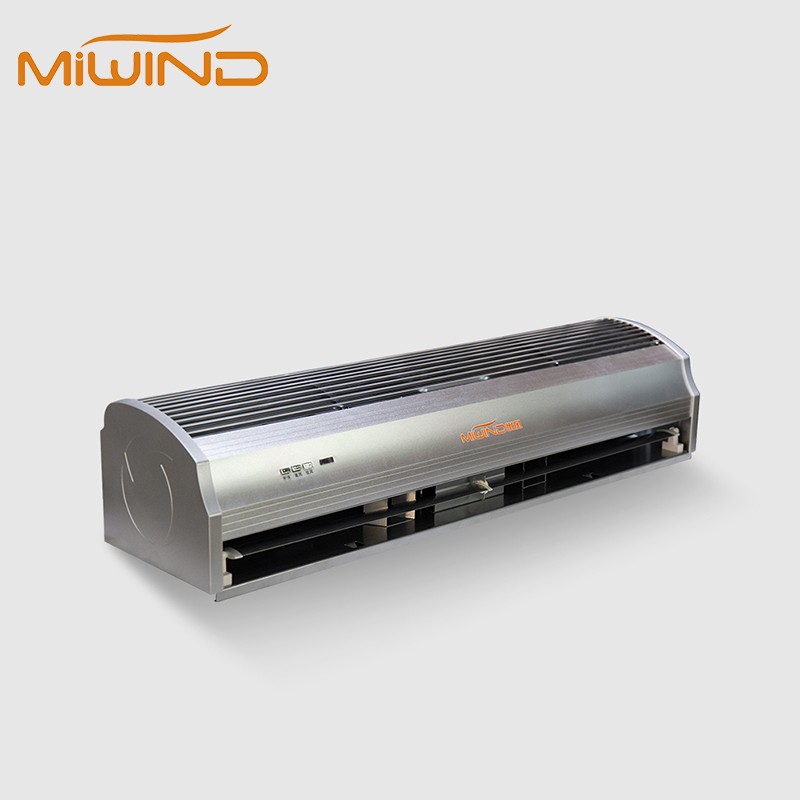
MIWIND Winter Dock Selection Checklist
Before requesting a quotation, collect the following project details:
| RFQ field | What to send |
|---|---|
| Door dimensions | Clear width, clear height, and actual mounting height. |
| Dock type | Exterior dock, enclosed dock, receiving bay, ground-level door, or internal transition. |
| Winter condition | Outdoor winter climate, design temperature if known, and cold-draft complaints. |
| Comfort target | Worker comfort near the doorway, staging area comfort, or pure air separation. |
| Door behavior | Door-open duration, cycles, held-open periods, and door switch availability. |
| Traffic | Forklift, pallet, cart, pedestrian traffic, and peak loading periods. |
| Heat source | Available voltage, electrical capacity, hydronic loop, steam, gas, or ambient preference. |
| Existing HVAC | Unit heaters, air handlers, dock heaters, thermostat zones, and comfort complaints. |
| Pressure and wind | Air rushing inward, open opposite doors, exhaust fans, and dock exposure. |
| Documentation | Drawings, site photos, required submittals, and catalog needs. |
This checklist is better than a heat-load guess. It lets MIWIND decide whether the discussion belongs to Heated Air Curtain, ambient Air Curtain Series, industrial solution review, or HVAC coordination.
FAQ
Is a heated air curtain always better for a loading dock?
No. A heated unit may improve comfort near the doorway, but it is not automatically better for every dock. If the main goal is airflow separation and the warehouse already has adequate heat, an ambient unit may be reviewed first.
Does heat improve air separation?
The air barrier depends on coverage, velocity, mounting, discharge path, pressure, and controls. Heating tempers the discharge air for comfort; it does not fix poor sizing, blocked airflow, wind, or negative pressure.
Can a heated air curtain replace warehouse heating?
No. A heated air curtain should not be treated as the main warehouse heating system. It can support doorway comfort, but whole-space heating belongs to HVAC and building-envelope review.
Which heat source should be reviewed?
Review electric, hot-water, steam, gas, or ambient options based on existing utilities, electrical capacity, controls, local code, service capability, and confirmed MIWIND product availability.
What information is needed before choosing heated or ambient?
Send door width and height, mounting height, winter comfort complaint, door cycle, traffic, available heat sources, electrical data, controls, pressure or wind symptoms, photos, and required documents.
Next Step
Use Contact Us to compare heated and ambient dock options. Send the winter dock checklist so MIWIND can review the air barrier first, then confirm whether heated discharge air belongs in the quotation.