HVAC Ventilation RFQ Guide: What to Include
Build an HVAC ventilation RFQ with application, performance, electrical, installation, documents, quantity and delivery details.

A useful HVAC ventilation request for quotation (RFQ) describes the product, application and order conditions before asking for price. Air curtains, duct fans, exhaust fans, fresh-air equipment and dehumidifiers need different technical inputs, so list each product category and its relevant project data separately.
This guide is for procurement teams, distributors, OEM/ODM buyers, channel partners, and project managers preparing a structured inquiry. Buyers can review MIWIND product families, downloads and available documents, OEM/ODM service, and technical resources, then send a completed RFQ through Contact Us.
Use this guide as an intake checklist that helps buyers reduce missing information. Quotation accuracy, response speed, lead time, MOQ, target price, warranty terms, certificate availability, supplier qualification, sample approval, and production acceptance still depend on the product, market, and factory review. Ask MIWIND which items can be confirmed at inquiry stage and which require model or sample review.
HVAC Ventilation RFQ Template: 10 Fields To Include
Use this outline before asking for price:
- Buyer and project context.
- Product category and application.
- Technical requirements.
- Electrical and installation requirements.
- Documents and certification questions.
- Branding, packaging, and private-label needs.
- Quantity, sample plan, and forecast.
- Delivery, timeline, and commercial questions.
- Photos, drawings, previous models, or reference files.
- Questions the factory must answer clearly.
This structure makes an HVAC ventilation RFQ easier to route inside a factory because sales, engineering, documentation, sample, and packaging teams can each see their part.
| RFQ field | What to write | Unit or evidence |
|---|---|---|
| Product category | Air curtain, duct fan, exhaust fan, fresh air product, dehumidifier, or mixed inquiry | Product family or reference model |
| Application | Entrance, duct run, room exhaust, fresh-air intake, storage room, drying area, or other use | Photos, drawings, site notes |
| Airflow or capacity | Target airflow, door size, moisture load, or engineer-provided value | m3/h, CFM, Pa, RH%, L/day, door width and height |
| Electrical data | Voltage, frequency, phase, plug, control expectation | V, Hz, phase, local wiring requirement |
| Documents | Datasheet, manual, wiring diagram, declaration, certificate, test report, label | Target market, model coverage, file date |
| Commercial data | Quantity, sample plan, Incoterms, delivery target, private label need | Units, destination port, forecast, artwork files |
What A Good RFQ Should Do
Define the buying problem
The purpose of a request for quote is to help buyer and factory compare the same requirement. A good RFQ gives structured fields, deadlines, vendor instructions, and comparison-ready information instead of a loose price request.
For ventilation products, structure matters even more because a quote can change with voltage, plug type, mounting, airflow, static pressure, heating, controls, casing material, labeling, packaging, certificates, and order quantity.
Separate technical fit from commercial terms
A useful HVAC ventilation RFQ separates technical inputs from commercial inputs. Technical fields answer "what product can work?" Commercial fields answer "what order, documents, packaging, and delivery context does the buyer expect?"
Mixing these fields in one vague paragraph creates delays. The factory may need to ask basic follow-up questions before it can identify a model, document pack, or production path.
Product Scope: What Are You Buying?
Air curtains
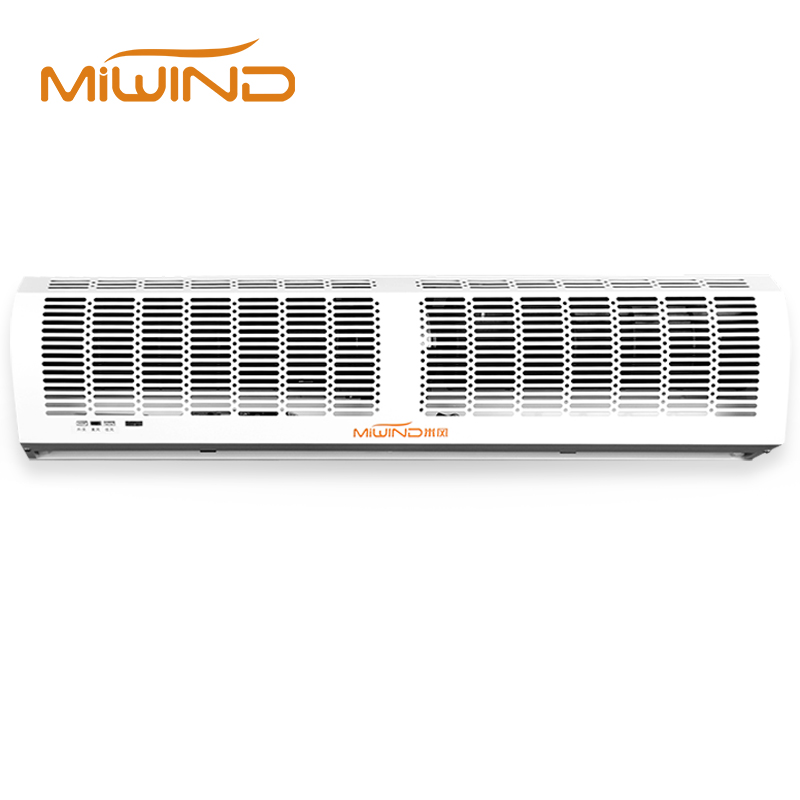
For air curtains, include doorway width and height, mounting position, indoor/outdoor use, heated or unheated requirement, power supply, control method, noise sensitivity, installation photos, and local document expectations. If the project involves code or vestibule language, include that text for review rather than summarizing it from memory.
Duct fans and exhaust fans
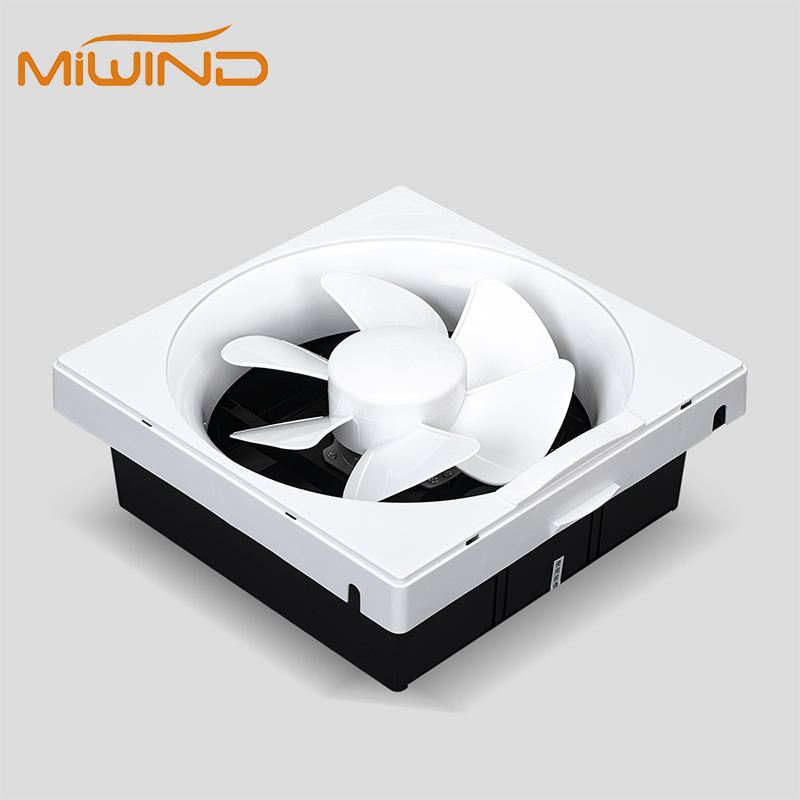
For duct fans and exhaust fans, include application, target airflow if engineer-provided, static pressure if available, duct size, duct length, fitting count, fan location, discharge point, voltage, controls, operating schedule, noise sensitivity, and service-access limitations. If you are not sure whether the application needs a duct fan, exhaust fan, or source-capture fan, state the application first.
Dehumidifiers and fresh air products
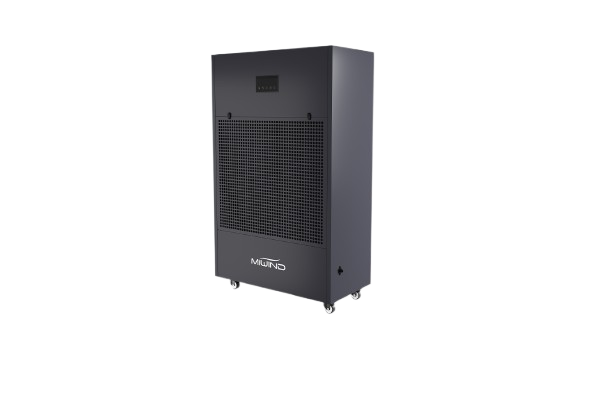
For dehumidifiers, include room size, temperature, current RH, target RH, moisture source, door traffic, drainage, installation format, market, and operating schedule. For fresh air products, include required outdoor air volume, filtration, duct route, climate, heat recovery expectation if any, and project documents.
Technical Fields To Include
Build the RFQ around fields the factory can verify:
- Product category and application.
- Model number if already selected.
- Target airflow, pressure, capacity, or door size if engineer-provided.
- Voltage, frequency, phase, plug, and local electrical expectations.
- Mounting location, dimensions, duct route, doorway size, or room conditions.
- Controls, sensors, remote, interlock, speed control, or wiring needs.
- Material, finish, color, corrosion concern, or environment notes.
- Required datasheets, manuals, wiring diagrams, labels, certificates, and test reports.
- Photos, drawings, site sketches, or previous model references.
For product data, use the ventilation spec-sheet checklist. For model-level compliance documents, see the CE, CB and UL document guide.
Commercial Fields To Include
Commercial fields keep the response grounded:
- Buyer company, country, region, and sales channel.
- Standard product, private label, ODM adaptation, or OEM development interest.
- Estimated order quantity, sample quantity, and forecast if available.
- Branding, nameplate, carton, manual, barcode, and photo requirements.
- Target delivery date, Incoterms if known, destination port, and logistics constraints.
- Target document pack and approval process.
- Warranty questions and after-sales expectations as questions, not assumed terms.
If the buyer is comparing custom paths, read OEM vs ODM ventilation products before writing the RFQ. If the next step is sample validation, use OEM ventilation sample request playbook to define sample quantity, test expectations, packaging review, and approval records.
Common RFQ Mistakes
Asking for price before defining the model
Price depends on product family, size, motor, voltage, controls, documents, branding, packaging, and quantity. A low-information message can produce a fast answer, but not a reliable comparison.
Sending one requirement for several product categories
An air curtain, an exhaust fan, and a dehumidifier need different input fields. A single short RFQ covering all three may look efficient, but it often forces the supplier to guess.
If a project includes several product categories, write one cover message and separate RFQ sections for each category. Keep air curtain doorway data, duct fan airflow and pressure data, fresh-air filtration data, and dehumidifier humidity data in their own tables.
Treating certificates as generic files
Certificate questions should include target market, product model, certificate type, validity, model coverage, and whether the buyer needs declarations, test reports, labels, or manuals. Do not assume a certificate for one model covers another model.

MIWIND RFQ Intake Checklist
Before sending MIWIND an RFQ, prepare:
- Product category: air curtain, duct fan, exhaust fan, fresh air system, dehumidifier, or mixed inquiry.
- Application, dimensions, airflow, pressure, humidity, or door conditions as relevant.
- Voltage, frequency, phase, plug, controls, and wiring expectations.
- Standard, OEM, ODM, private label, or distributor inquiry type.
- Document expectations: datasheet, manual, wiring diagram, declaration, certificate, test report, label, or catalog.
- Quantity, sample needs, target market, deadline, and contact person.
- Which MIWIND product family or model should be reviewed first based on the application.
- Photos, drawings, current model, reference specification, or project specification file if available.
FAQ
What is an HVAC ventilation RFQ?
It is a structured request for quote covering ventilation product requirements, application conditions, documents, commercial terms, quantity, sample needs, and timeline.
What fields should an HVAC ventilation RFQ include?
An HVAC RFQ checklist should include product category, application, airflow or capacity target, electrical requirements, installation conditions, documents, certification questions, branding needs, quantity, timeline, and attachments.
Should one RFQ cover multiple ventilation product categories?
One cover message can introduce the project, but each category should have its own section. Air curtains, duct fans, fresh air products, exhaust fans, and dehumidifiers require different input fields.
Can a complete RFQ guarantee an accurate quote?
No. A complete RFQ reduces missing information, but it does not guarantee price, lead time, MOQ, warranty, certificate coverage, sample approval, or production acceptance.
Should private-label requirements be included in the first RFQ?
Yes. Branding, carton artwork, nameplates, manuals, barcodes, and packaging can affect sample planning, document review, and quotation structure.
What should be attached to the RFQ?
Attach photos, drawings, site dimensions, previous model references, specifications, certificate requirements, packaging examples, and any project documents that affect selection.
Next Step: Send A Complete RFQ
Use send a complete RFQ after collecting the checklist. A strong request helps MIWIND understand the product, documents, customization, and timeline before the inquiry is reviewed.
Compare the duct fan range and exhaust fan range using the project's model and documentation requirements.