Metal Parts Storage: Humidity and Corrosion Control
Plan metal-parts storage humidity control using material, finish, packaging, contaminants, dew point, door traffic, storage time and monitoring records.
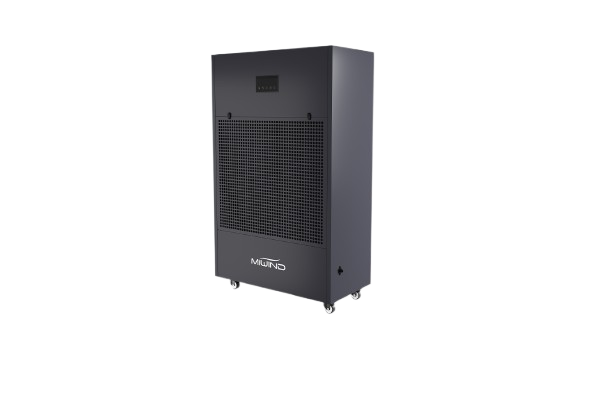
A dehumidifier for metal storage should be specified from corrosion risk, not from a generic room-size chart. Stored metal parts, tools, molds, bearings, motors, spare components, and finished assemblies can be sensitive to RH, dew point, temperature swings, salt air, chemical exposure, packaging, and how often the storage area is opened.
This guide is for factory managers, maintenance teams, metalworking plants, automotive and parts warehouses, procurement teams, and OEM/distributor buyers. MIWIND can discuss industrial dehumidifier applications, solutions, industrial dehumidifier series, and corrosion-risk questions through Contact Us.
Final selection should be based on project data and verified product documents. Anti-corrosion RH targets, rust-prevention outcomes, desiccant or refrigerant performance, and storage acceptance criteria should be confirmed against the material, packaging, exposure, monitoring data, and selected equipment.
Why Metal Storage Needs Humidity Planning
Corrosion risk depends on the material and environment
Metal corrosion is not controlled by RH alone. Material type, finish, packaging, contaminants, surface temperature, handling, salt exposure, and storage time all matter. A sealed package of coated parts behaves differently from open racks of bare steel in a coastal workshop.
The Canadian Conservation Institute explains how moisture, contaminants and storage conditions affect metals in its storage-of-metals guidance. That conservation context does not set an industrial RH specification. Use the part manufacturer's requirements and the buyer's material, finish, packaging and exposure data to define the storage target.
RH target should come before model choice
Use industrial humidity control RH target before selecting equipment. A buyer should know whether the goal is short-term rust reduction, long-term spare-parts storage, mold-and-carton control, coastal exposure management, or protection of precision components.
Corrosion Risk Factors Buyers Should Document
Metal type and packaging
List the metal type or component category: steel parts, aluminum components, copper parts, molds, dies, tools, bearings, motors, fasteners, or mixed inventory. Note whether parts are bare, coated, oiled, wrapped, sealed, boxed, on open racks, or in cabinets.
Packaging can help or hurt. Some packages block moisture, some trap moisture, and some create inspection blind spots. The RFQ should describe packaging rather than assuming the dehumidifier alone controls the storage condition.
Room tightness, door traffic, and climate
Room tightness affects moisture load. A closed tool room, a warehouse aisle, a workshop corner, and a container-like storage zone have different leakage and door traffic. Outdoor climate matters too, especially in coastal or rainy areas.
For general warehouse planning, use warehouse humidity control. For capacity discussion, use industrial dehumidifier sizing after the corrosion-risk inputs are clear.
Dew point, RH, and temperature swings
Condensation can occur when warm humid air contacts cooler metal surfaces. A part may sweat during night temperature drops, after being moved from a cool room, or when a cold surface is exposed to humid air. That is why dew point and surface temperature matter alongside RH.
For a MIWIND review, describe the storage environment rather than quoting another facility's result. Turbine storage, spare-parts storage, precision components, and mixed warehouse inventory can have very different risk profiles.
How to Prepare a Metal Storage RFQ
Define the stored asset
The RFQ should describe what is being protected and why corrosion matters. A production mold, a spare motor, a packaged fastener, and a precision machined part may have different acceptable risk and inspection frequency.
Include:
- Metal type or component category.
- Surface finish, coating, oiling, or wrapping.
- Packaging method and storage duration.
- Current corrosion symptoms, photos, and affected locations.
- Current RH and temperature range.
- Door opening frequency and ventilation.
- Coastal, salt-air, chemical, or washdown exposure.
- Existing monitoring method or data logs.
Compare capacity only after conditions are known
A dehumidifier for metal storage still needs capacity review. The supplier must know the room size, infiltration, door traffic, target RH, temperature, and moisture sources. Use dehumidifier capacity ratings explained when comparing L/day or pints/day numbers from supplier documents.
If the buyer needs a tight RH band, ask which product documentation supports performance near that condition. If the data is not available, mark it as a required follow-up rather than assuming performance from a nameplate figure.
Also define who inspects stored parts and how often. Inspection records help separate a new humidity problem from old corrosion, handling damage, packaging failure, or contamination that entered before storage.
Where MIWIND Fits in the Review Process
Bring MIWIND into the review after the buyer defines corrosion risk, storage conditions, monitoring, and site constraints. The industrial dehumidifier route is the main path for humidity-control inquiries, while solutions can connect the storage problem to warehouse, workshop, and production context.
Ask MIWIND:
- Which product-series route should be reviewed for the storage area?
- What site data is needed before model recommendation?
- Which catalogue or technical files are available?
- What drainage, power, installation, and service access constraints matter?
- What target RH or dew point data must the buyer provide?
- Which site assumptions still need buyer confirmation?
This keeps the project grounded in evidence. A corrosion-risk brief should help both sides separate humidity control from material condition, packaging, handling, and inspection responsibility.
FAQ
What is a dehumidifier for metal storage used for?
It is used to help manage humidity in storage areas where metal parts, tools, molds, or spare components may face corrosion risk from moisture and temperature conditions.
Does lower RH always prevent corrosion?
No. Corrosion risk also depends on metal type, contaminants, coatings, packaging, handling, surface temperature, and exposure time. RH is one important variable.
Who confirms corrosion-prevention requirements?
The buyer's quality or maintenance team should define the acceptable corrosion risk, inspection method, and storage target. MIWIND can review humidity-control options after material data, monitoring, room conditions, and equipment requirements are clear.
What should buyers send before asking for advice?
Send metal type, packaging, room dimensions, current RH and temperature, corrosion photos, exposure conditions, door traffic, and monitoring records.
Next Step: Ask Corrosion-Risk Advice
Use ask corrosion-risk advice with the checklist. A clear dehumidifier for metal storage brief helps MIWIND review humidity-control options for the actual storage risk.