How to Read an Inline Fan Curve at the Required CFM
Match required airflow with system pressure on an inline fan curve, then check sound, controls and exact model data.
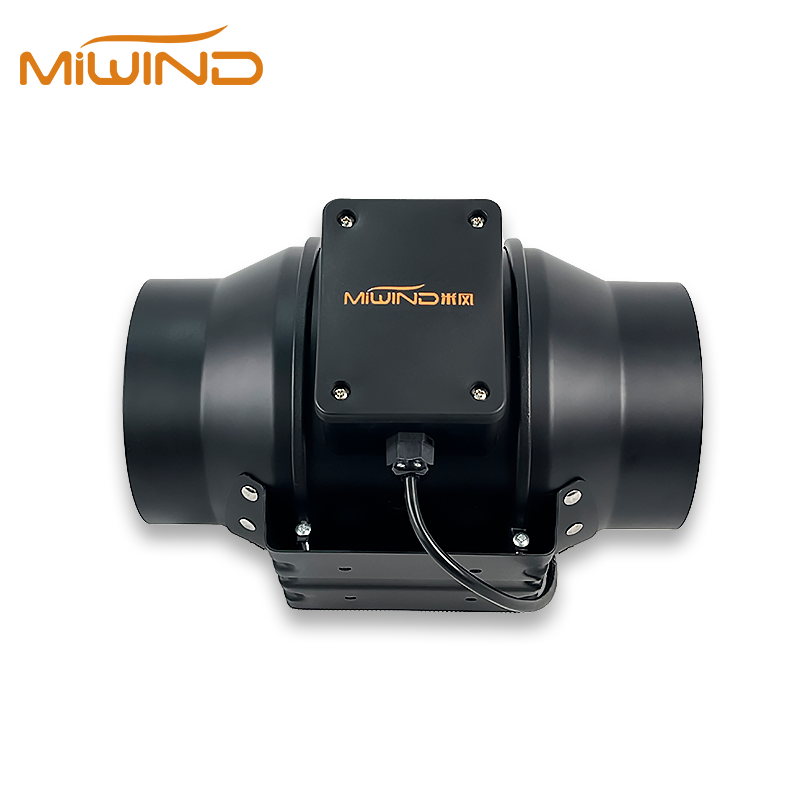
To read an inline fan curve, first identify the required airflow and the pressure the installed system will impose. Their intersection is the duty point to compare with the exact model's performance curve. A free-air CFM figure alone does not show airflow at the project's operating pressure.
This guide is for engineering buyers, MEP/HVAC contractors, distributor sales teams, and B2B procurement reviewers who need a practical way to read fan performance charts before requesting MIWIND product information. It connects to the MIWIND Duct Fan Series, fan selection technical resources, catalogs and drawings, fresh air system applications, and Contact Us.
Use this guide to understand the selection logic before asking for MIWIND model data. For final product selection, request the current performance curve, sound information, speed or motor details, electrical data, certificates, controls information, and installation documents for the exact model under review.
Set the Target CFM
Start with the airflow target. The target may come from an engineer, local requirement, fresh-air design, equipment-room heat estimate, cabinet ventilation need, or owner specification. It should not come from a catalog number alone.
Write the target as a project need:
- Outdoor air supply for a fresh-air system.
- Exhaust airflow for a ducted room or small process area.
- Cabinet or equipment ventilation.
- HRV or heat-recovery airflow path.
- Duct booster or auxiliary airflow support.
For a related explanation of airflow and pressure, see CFM vs. static pressure. This guide focuses on reading the inline fan curve after the project duty point is defined.
Add the Static Pressure Point
The second input is static pressure. On many fan curves, airflow is on the horizontal axis and static pressure is on the vertical axis. The duty point is where target CFM and estimated pressure meet.
Ducts, elbows, filters, grilles, and components matter before curve reading because they define the pressure the fan must overcome. Use the pressure estimate as a planning input, then confirm the duty point against current MIWIND product data.
If the pressure value is missing, the curve cannot be read confidently. Ask for:
- Duct length and duct size.
- Elbows, fittings, transitions, and dampers.
- Filters, grilles, intake hoods, registers, or diffusers.
- Fan location and inlet/outlet restrictions.
- Whether the system is supply, exhaust, fresh air, or recirculation.
Find the Curve Intersection
An inline fan curve shows how much airflow a fan can deliver as resistance changes. A curve that looks high at free delivery may drop as static pressure rises. That is why the duty point matters.
AMCA's fan curve article is a strong technical source because it explains axes, curves, operating points, and system relationships. The same reading logic helps buyers ask better questions when reviewing MIWIND documents.
Duty Point and Operating Margin
Once you plot the duty point, ask:
- Does the fan curve pass through or above the duty point?
- Is the point close to the edge of the curve?
- Is there enough margin for filter loading, duct changes, grilles, or installation effects?
- Is the operating point appropriate for the application and available product documents?
For MIWIND selection, compare the duty point with available product data and confirm the exact model before quotation or submittal.
Compare Nearby Fan Sizes
A common mistake is choosing the smallest fan that appears to touch the point. A better inline fan curve CFM review compares nearby fan sizes or speed options against the same duty point. Sometimes the next size up provides more margin. Sometimes the larger fan creates sound, space, power, or control concerns. The answer depends on the project.
When to Size Up or Down
Use nearby comparison when:
- The duct route may change during installation.
- Filters will load over time.
- The pressure estimate is uncertain.
- The room is noise-sensitive.
- The buyer expects future airflow changes.
- The fan must fit a tight ceiling, cabinet, or mechanical space.
Fan laws describe how airflow, pressure and power change with fan speed under defined assumptions. Use the exact MIWIND model documents for quoted performance, power, speed and sound values.
Review Sound, Documents and Installation Margin
The curve is not the only selection input. A technically acceptable duty point may still create concerns if the room is quiet, the duct route is tight, access is poor, or documents are missing.
Collect:
| Check | Why it matters |
|---|---|
| Sound expectation | A fan near offices, residences, meeting rooms, or display areas may need extra review. |
| Installation space | Ceiling, cabinet, shaft, or service clearance may limit product size. |
| Product documents | Catalog, drawing, and available performance data support the final comparison. |
| Access | Filters, grilles, ducts, wiring, and fan housing may need routine service. |
| System role | Fresh air, exhaust, heat recovery, and cabinet ventilation have different priorities. |
Use fan selection technical resources and catalogs and drawings when preparing a technical RFQ.
Request MIWIND Selection Support
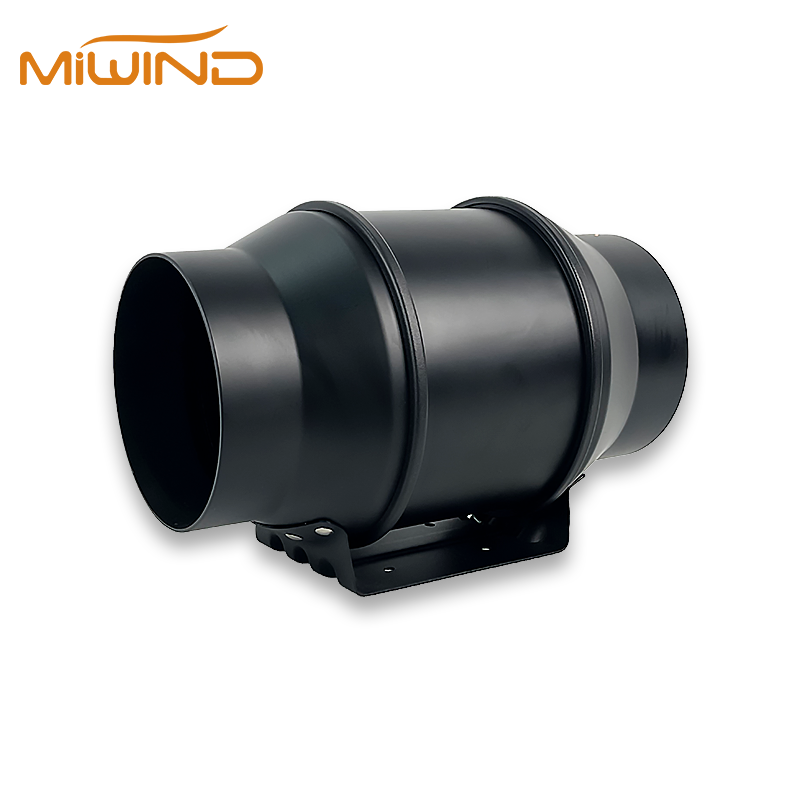
The MIWIND Duct Fan Series is the product path for duct fans, inline fans, silent ventilation models, heat-recovery products, fresh-air planning, compact duct runs, cabinet ventilation, and larger fresh-air exchange systems. Use it after the duty point is clear.
Catalog, Drawing and Performance Document Request
When you ask MIWIND to review an inline fan curve CFM question, include:
- Target CFM.
- Estimated static pressure.
- Duct route, fittings, filters, grilles, and fan location.
- Application: fresh air, exhaust, cabinet ventilation, HRV, or other ducted airflow.
- Noise-sensitive rooms or installation constraints.
- Required catalog pages, drawings, and product documents.
Send the duty point and system details with the inquiry so the supplier can compare them with available model data.
FAQ
What is a duty point on an inline fan curve?
It is the combination of required CFM and static pressure where the fan must operate. The curve should be checked against that point, not only against free-air airflow.
Is free-air CFM useful?
It is useful as a rough reference, but final selection should consider installed CFM at static pressure. Ducts, fittings, filters, and grilles change the result.
Where should buyers get a MIWIND fan curve?
Request available MIWIND product documents or engineering confirmation before final selection. The curve should be tied to the exact model and operating condition.
Should I always choose the larger fan?
No. A larger fan may add space, sound, power, or control concerns. Compare nearby sizes against the same duty point and application constraints.
Next Step
Use Contact Us to request selection support. Send your duty point, target CFM, estimated static pressure, duct layout, filters, grilles, fan location, application type, noise concerns, and document needs.