Kitchen Hood Capture and Containment: Overhang and Cross-Drafts
Understand how appliance position, hood overhang, side panels, mounting height, cross-drafts and replacement air affect capture.
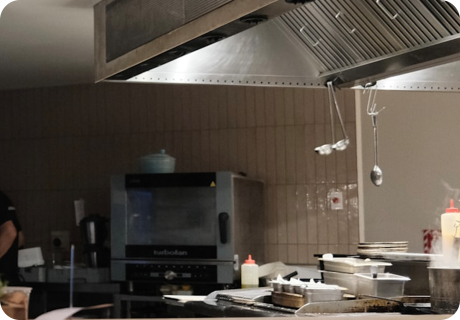
When smoke, heat, odor, or cooking plume escapes a hood, review the hood and cooking line before changing fan capacity. Appliance position, overhang, side panels, mounting height, cross-drafts, and replacement air can all affect capture and containment.
This guide is for restaurant facility teams, kitchen consultants, MEP and HVAC engineers, distributors, OEM procurement teams, and retrofit buyers preparing a hood-spillage support request. MIWIND can route kitchen exhaust planning, discuss exhaust fan products after site details are known, provide technical resources, and receive project details through Contact Us.
Use this as a buyer-input checklist before professional kitchen ventilation review. Hood capture, containment, exhaust rate, side-panel impact, code compliance, AHJ approval, grease-duty suitability, and field commissioning all depend on the hood, appliances, airflow path, documentation, and local review process.
Capture vs Containment
Capture means the hood collects the thermal plume, smoke, heat, grease vapor, steam, or odor path before it spreads into the room. Containment means the collected plume stays within the hood zone long enough to be exhausted instead of spilling out the edges.
The topic is related to source capture ventilation, but this guide focuses on the kitchen hood and cookline conditions that make hood performance weaker even when an exhaust fan operates.
Greenheck's restaurant ventilation page, ASHRAE's Standard 154 scope listing, and ENERGY STAR's restaurant resource page are useful references for understanding why commercial kitchens must consider the hood, appliances, energy, comfort, and ventilation as a system.
Why Plumes Escape a Running Hood
Smoke spillage does not automatically prove that the fan is too small. The plume can escape because the appliance is outside the hood envelope, the hood lacks overhang, cross drafts interrupt the plume, make-up air enters too fast, or the duct/fan path creates more resistance than expected.
If the main question is airflow rating and duct pressure, use exhaust fan CFM and static pressure. If the question is hood duty classification, review Type I vs Type II kitchen hoods.
Appliance Position and Hood Overhang
Overhang
Hood overhang is the distance the hood extends beyond the cooking appliance or plume source. Too little overhang can make capture sensitive to drafts, appliance movement, and operator activity. A hood can look close to the source but still miss part of the plume path.
Useful buyer inputs include appliance dimensions, hood dimensions, appliance offset from the hood edge, front overhang, side overhang, and whether the appliance was moved after the hood was installed.
Appliance lineup
A fryer, griddle, charbroiler, range, steamer, oven, or dishwasher can produce different heat, grease, smoke, or steam behavior. The appliance list should be sent with photos, not described only as "kitchen exhaust." Hood capture depends on the actual cooking line.
Side Panels, End Panels, and Mounting Height
Side panels
Side or end panels can sometimes help shield the plume from cross drafts. Treat panels as one design variable that the hood supplier or engineer may review, alongside hood geometry, appliance position, replacement air, and exhaust rate.
The buyer should request hood drawings, accessory notes, and installation details from the hood supplier when side panels or supply plenums are part of the discussion. Those documents help the ventilation team avoid guessing from photos alone.
Mounting height
Mounting height affects how far the plume travels before reaching the hood. A higher hood can be easier for clearance but harder for capture. A lower hood may improve proximity but must still respect appliance access, cleaning, fire protection, and local requirements.
Cross Drafts and Supply-Air Disruption
Cross drafts
Cross drafts can come from doors, pass-through windows, supply diffusers, ceiling fans, portable fans, air curtains, moving staff, open service areas, or nearby HVAC supply. They can push the plume sideways before the hood captures it.

When reporting a hood problem, include short videos that show smoke or steam movement during normal cooking. A static photo may show the hood and appliance, but a short video can show whether cross drafts or supply air are disturbing the plume.
Make-Up Air Effects
Make-up air path
Make-up air is necessary when exhaust removes enough air to affect room pressure, but where and how that replacement air enters matters. Fast supply air near the hood can disrupt capture. Air entering from a door or service opening can also create drafts across the cooking line.
For the broad replacement-air explanation, review make-up air for exhaust fans. For placement options, review restaurant make-up air placement. This guide stays focused on hood behavior and spillage diagnosis.
RFQ Checklist for MIWIND Review
Collect the following before asking for support:
- Hood type if known and hood dimensions.
- Appliance lineup, dimensions, and appliance position under the hood.
- Hood overhang on front, side, and end positions.
- Mounting height and ceiling condition.
- Side panels, end panels, or open ends.
- Smoke, heat, odor, steam, grease plume, or spillage symptoms.
- Photos and short videos during normal operation.
- Existing fan format, fan model, duct route, and discharge point.
- Engineer-provided CFM or static pressure if available.
- Make-up air path, supply diffuser location, doors, windows, and cross drafts.
- Drawings, market, quantity, timeline, and review status.
This keeps kitchen hood capture and containment support grounded in site details. MIWIND can discuss exhaust fan routing and product families after the hood, appliance, airflow path, and project documents are described.
FAQ
Does smoke spillage mean the exhaust fan is too small?
Not always. Smoke spillage can also come from hood geometry, appliance position, cross drafts, supply air, make-up air location, duct resistance, or maintenance issues.
Who confirms hood capture and containment?
The qualified project team, hood supplier, engineer, installer, and local reviewer should confirm final capture, containment, CFM, hood approval, AHJ acceptance, and field commissioning results.
Should make-up air be reviewed during hood troubleshooting?
Yes. Replacement air can affect hood behavior, especially when air enters near the hood at high speed or from the wrong direction.
Next Step: Send Hood Capture Details
Use send hood capture details after collecting hood dimensions, appliance layout, overhang, mounting height, side panels, symptoms, fan and duct data, make-up air path, cross drafts, photos, videos, drawings, review status, market, quantity, and timeline.