Loading Dock Energy Solutions: Air Curtains, Seals and Doors
Compare dock seals, doors, strip curtains, airflow and pressure measures by the problem each option is intended to address.
Buyers searching for loading dock energy loss solutions are usually comparing more than one product. Dock seals, dock shelters, insulated doors, high-speed doors, strip curtains, ventilation fixes, and air curtains all appear in the conversation. The mistake is treating them as interchangeable.
This guide compares the controlled variable behind each solution. It does not calculate guaranteed savings, ROI, or a return timeline. For MIWIND, the useful path is to identify whether the problem is trailer gaps, open time, active airflow through the doorway, rain, wind, pressure, or forklift access, then route the air-curtain portion to Industrial Series solutions and the Air Curtain Series.
Why Loading Dock Energy Loss Has More Than One Cause
A loading dock is not one leak. It is a group of openings, gaps, workflows, and pressure effects.
Common loss paths include:
- Air movement through the open dock door.
- Gaps around the trailer when it is parked at the bay.
- Dock leveler and hinge gaps.
- Long door-open periods during active loading.
- Wind and rain at exposed dock faces.
- Negative pressure pulling outdoor air inward.
- Forklift traffic that prevents barriers from staying closed.
- Temperature differences between warehouse, staging area, truck, and outdoors.
Rite-Hite's energy-savings material frames energy loss as a dock and door challenge, while ASSA ABLOY's energy-efficiency page takes a broader entrance-efficiency view. These sources are helpful because they show that loading dock energy planning is system-level. They should not be used to claim a specific MIWIND savings result.
Dock Seals and Shelters: Trailer Interface Control
Dock seals and shelters focus on the trailer interface. When a truck backs into the bay, gaps can remain around the trailer. Air, rain, wind, dust, and pests may enter through those perimeter openings. Seals and shelters are designed to reduce that interface exposure.
Rite-Hite dock seals and shelters are a useful reference category because they show this part of the problem clearly: the interface between warehouse and vehicle matters. If the buyer's biggest issue is rain or side gaps around parked trailers, a dock seal or shelter may be central to the plan.
An air curtain should not be described as a replacement for trailer-gap equipment. It protects the open doorway plane; it does not seal trailer edges, hinges, leveler gaps, or damaged dock equipment.
High-Speed Doors: Open-Time Control
High-speed doors focus on time. If a door closes quickly between cycles, the facility can reduce how long the opening is exposed. This is especially useful where traffic comes in short bursts and the door can close safely between movements.
Rite-Hite high-speed doors and ASSA ABLOY high-speed doors provide market examples of the open-time control category. The takeaway for MIWIND buyers is not that MIWIND sells those doors. The takeaway is that open time should be measured separately from opening size.
A high-speed door may still leave air exchange during active forklift movement. If the door stays open for unloading, or if traffic is continuous, an air curtain may be reviewed for the period when the opening must remain usable.
Air Curtains: Active Opening Airflow Control
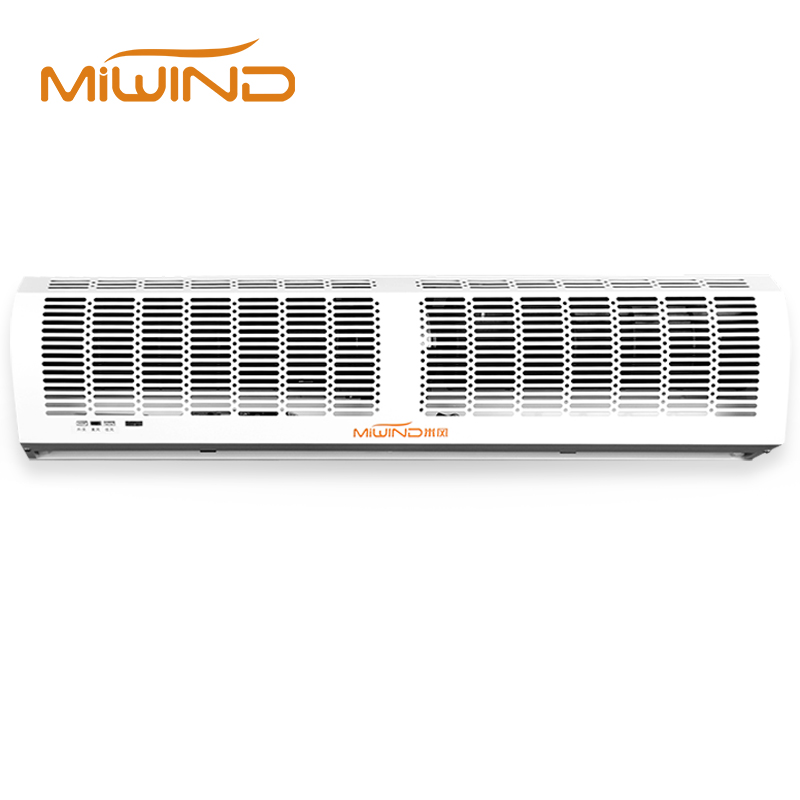
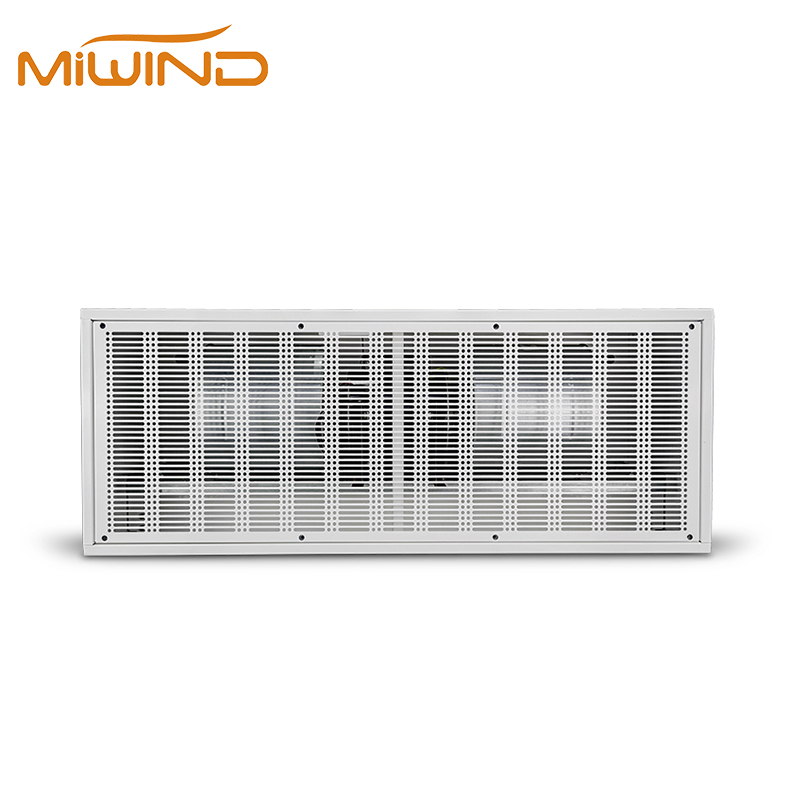
Air curtains focus on air movement through the active opening. They can help reduce air exchange while forklifts, pallets, carts, and workers continue moving through the dock. That makes them relevant when a physical barrier is inconvenient or when the dock is open during loading.
Mars Air's material-handling page is a useful market reference for air curtains at loading docks and industrial openings. Dock & Door Tec's energy and comfort page also frames docks around comfort and energy challenges. These sources should guide the comparison, not become proof of MIWIND performance values.
For MIWIND, route the air-curtain portion of the review to Air Curtain Series. For the wider application context, use Industrial Series solution, which addresses warehouses, factories, large industrial doors, outdoor air, insects, and dust.
Comparison Matrix by Controlled Variable
The cleanest way to compare dock energy solutions is by controlled variable.
| Solution | Main controlled variable | Useful when | Not enough when |
|---|---|---|---|
| Dock seal or shelter | Trailer perimeter gaps, rain, wind at the vehicle interface. | Trucks park at dock bays and perimeter leakage is visible. | Door remains open without a trailer, or air moves through the open doorway. |
| High-speed door | Open time between traffic cycles. | Traffic has gaps and the door can close safely between cycles. | Forklift traffic is continuous or the door stays open during loading. |
| Insulated door | Conductive heat transfer through the closed door. | The door stays closed for long periods. | Loss is mainly from open-door air exchange. |
| Strip curtain | Physical partial barrier with low equipment complexity. | Traffic is moderate and visibility/cleaning issues are manageable. | Forklift visibility, hygiene, wear, or pallet clearance are problems. |
| Air curtain | Active airflow across a usable opening. | The dock must remain open for traffic while air exchange should be reduced. | Trailer gaps, damaged seals, severe pressure imbalance, or rain intrusion dominate. |
| Ventilation balance | Pressure and exhaust-driven air movement. | Air rushes inward, doors fight pressure, or exhaust creates drafts. | The main issue is a missing doorway barrier or long open time. |
This matrix prevents overclaiming. It also improves RFQ quality. Instead of asking for "best loading dock energy product," the buyer can say, "We have open-time loss at doors 1-6, trailer gap problems at doors 7-10, and wind-driven air at the west-facing door."
When to Combine Systems
Many loading docks need combinations. A conditioned warehouse might use dock seals for parked trailers, high-speed doors to reduce open time, and air curtains for active loading periods. A cold-chain site may add dehumidification, floor safety review, and stricter door discipline.
Use Warehouse Dock Door Air Curtains when the air-curtain portion is the main decision. Use Cold Storage Door Air Curtains when frost, fog, and ice are the visible symptoms.
The MIWIND Warehouse Industrial Door Project can be used as an industrial-door airflow reference. It should not be described as an energy audit, a measured savings case, or proof that every dock will perform the same way.

Build a Dock Audit Before RFQ
Before requesting a quote, prepare a dock audit using the checklist below. Include one row for each opening and note which conditions are shared across the site.
Include:
| Audit field | What to collect |
|---|---|
| Dock count | Number of dock positions and which doors are similar. |
| Door dimensions | Width, height, mounting height, header constraints. |
| Trailer interface | Dock seals/shelters, trailer types, visible gaps, rain exposure. |
| Door equipment | Sectional door, roll-up door, high-speed door, insulated door, strip curtain. |
| Open time | Daily open hours, cycle count, held-open periods, peak loading windows. |
| Traffic | Forklift type, pallet movement, cart traffic, pedestrian paths. |
| Conditions | Indoor setpoint, outdoor climate, wind, rain, humidity, cold storage. |
| Symptoms | Drafts, temperature swings, dust, insects, exhaust, odor, slippery floor. |
| Pressure | Exhaust fans, make-up air, open opposite doors, air rushing inward. |
| Priority | Energy, comfort, contamination, safety, access, or maintenance. |
If the audit shows several causes, split the RFQ. MIWIND can review the air-curtain and industrial airflow portion, while dock equipment partners or facility teams may need to review seals, shelters, doors, and building pressure.
MIWIND Route for Airflow Review
The main MIWIND path for this article is Solutions, then the more specific Industrial Series solution. From there, buyers can move to Air Curtain Series, technical resources, downloads, and Contact Us.
The correct inquiry wording is not "quote an energy-saving air curtain." A stronger request is: "Review the air-curtain layer for these loading dock openings, alongside our existing dock seals, doors, traffic schedule, and pressure symptoms."
That wording keeps the comparison honest and improves the chance that the buyer receives the right next-step questions.
FAQ
Which solution seals trailer gaps best?
Dock seals and shelters are the main category for trailer perimeter gaps. An air curtain does not seal trailer edges or leveler gaps; it addresses airflow across the active opening.
Which solution reduces door open time?
High-speed doors and better operating discipline reduce open time. An air curtain helps during the moments when the opening remains active, but it does not make a slow or held-open door close faster.
When is an air curtain better than a dock seal?
It is more relevant when air exchange through an open, active doorway is the issue and the opening must remain passable for forklifts or pallets. If the problem is trailer perimeter leakage, dock seals or shelters should be reviewed.
Can these systems be combined?
Yes. Many dock plans combine seals, doors, air curtains, ventilation balance, and operating rules. The right mix depends on dock layout, traffic, climate, pressure, and the buyer's main problem.
What data belongs in a dock audit?
Collect door size, dock count, trailer interface details, equipment already installed, open hours, forklift traffic, climate, wind, pressure symptoms, and the main goal. Photos and drawings make the review faster.
Next Step
Request the dock audit worksheet through Contact Us, or send the audit inputs directly. MIWIND can review the air-curtain layer of the loading dock plan and help route the project through the right industrial airflow path.